
My Journey into the World of Home Theater Displays
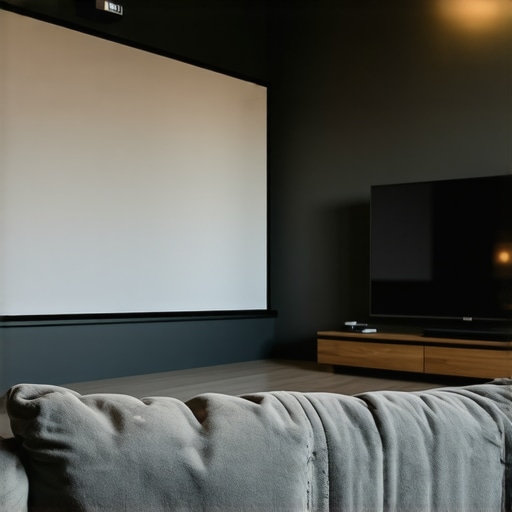
Honestly, I still remember the first time I set up a dedicated space for watching movies at home. I was excited but quickly realized that ambient light and budget constraints could make or break the experience. Choosing between a projector and a TV isn’t just about looks; it’s about understanding how ambient light impacts viewing quality and what fits within your budget.
Understanding Ambient Light and Its Impact on Your Display Choice
In my experience, ambient light is one of the most overlooked factors when designing a home theater. Bright rooms with large windows require different solutions than darker, dedicated media rooms. I learned this the hard way when I initially bought a bright LED TV, only to find reflections and glare ruining my movie nights. According to Ultimate Home Displays, managing ambient light effectively is crucial for the optimal viewing experience, especially with projectors.
Projector vs. TV: Which Suits My Budget and Space?
When I started comparing costs, I found that projectors can be more budget-friendly for larger screen sizes, but only if you have a darker room. TVs, on the other hand, tend to be more versatile across different lighting conditions but can be expensive at larger sizes. For instance, a high-quality 100-inch projector setup might cost less than a similarly sized TV, but I had to consider the cost of additional accessories like screens and sound systems. For detailed comparisons, I recommend checking out this cost comparison guide.
What’s the Real Cost of Maintaining the Perfect Viewing Environment?
Beyond the initial purchase, maintaining optimal viewing conditions can influence your budget. For projectors, this might mean investing in ambient light-reducing window treatments or blackout curtains. For TVs, it’s more about ensuring proper placement and avoiding glare. Interestingly, I found that the cost of controlling ambient light is often overlooked but can add up over time. My advice is to consider not just the display cost but also the environment, which significantly affects your viewing experience.
How Do I Decide What’s Best for My Home Theater in 2025?
This question has been on my mind as technology advances rapidly. I’ve been researching the latest models and considering factors like 4K resolution, HDR, and smart features. According to Ultimate Home Displays, the choice depends heavily on your room’s lighting conditions, budget, and personal preferences. For me, balancing cost and ambient light management was key to making the right decision.
If you’re contemplating your own setup, I encourage you to reflect on your space and budget. Share your experiences or ask questions—I’d love to hear how you’re navigating this decision. Feel free to reach out through our contact page.
How Can Advanced Screen Technologies Enhance Viewing in Bright Rooms?
One of the most exciting developments in home theater display technology is the advent of ambient light-rejecting screens. These specialized screens are designed to minimize reflections and glare, significantly improving picture quality even in well-lit environments. As highlighted by Projector Central, these screens utilize optical coatings and surface treatments that redirect ambient light away from the viewer, preserving contrast and color vibrancy. For homeowners with large windows or in spaces where controlling light is challenging, investing in such screens can be a game-changer, allowing projectors to deliver cinema-quality images without the need for complete room darkening.
What Are the Practical Steps to Manage Ambient Light Without Major Renovations?
Managing ambient light doesn’t always require expensive renovations or blackout curtains. Simple solutions like blackout roller shades, smart window films, or adjustable drapes can significantly reduce unwanted glare. Additionally, strategic placement of furniture and light fixtures can help minimize reflections on screens. For instance, positioning seating to avoid direct light hitting the screen or using directional lighting that can be dimmed or turned off during viewing sessions can make a noticeable difference. According to Ultimate Home Displays, thoughtful room design is crucial for optimizing ambient light conditions and achieving the best viewing experience.
Are There Cost-Effective Ways to Improve Ambient Light Management?
Absolutely. Budget-friendly options include adding blackout curtains or using reflective paint on walls to reduce glare. Installing inexpensive light dimmers or smart lighting systems allows you to control light levels dynamically, creating a more theater-like environment. For those who prefer a more permanent solution, window films that block UV and infrared light can be installed relatively easily and cost-effectively, helping to maintain consistent lighting conditions without the need for permanent room modifications. For detailed insights on balancing cost and performance, check out this cost-effective ambient light management guide.
What Are the Latest Innovations in Display Technology That Address Ambient Light Issues?
Recent innovations in display technology are pushing the boundaries of what’s possible in challenging lighting conditions. For example, OLED displays with high peak brightness and anti-reflective coatings are becoming more affordable and can handle ambient light better than traditional LCDs. Similarly, laser projectors equipped with high dynamic range (HDR) capabilities offer improved contrast ratios, making images more vivid in brighter environments. Experts suggest that choosing a display with local dimming and high brightness levels can significantly mitigate ambient light issues, but it’s essential to balance these features with budget constraints. To explore the latest models and compare their performance in ambient light scenarios, visit our detailed home theater display options guide.
If you’re eager to optimize your home theater setup and mitigate ambient light challenges, I invite you to share your experiences or ask questions in the comments below. For personalized assistance or to explore tailored solutions, feel free to reach out through our contact page. Remember, a well-designed environment combined with the right technology can transform your viewing experience into a true cinematic adventure.
Exploring the Nuances of Ambient Light and Its Effect on High-End Home Theater Setups
As I delved deeper into perfecting my home theater, I realized that ambient light isn’t just a minor inconvenience—it’s a complex factor that can elevate or ruin the entire viewing experience. Managing ambient light effectively requires understanding the subtle interplay between room design, display technology, and personal habits. For instance, I’ve found that even small light sources, like LED indicators or distant streetlights, can influence contrast and color accuracy, especially when using OLED displays with their high contrast ratios. This realization pushed me to experiment with layered lighting solutions, combining blackout curtains with dimmable smart lighting, and even considering optical coatings on screens to mitigate reflections.
How Do I Balance Technological Innovations with Practical Room Design?
In my journey, I’ve discovered that the latest innovations, such as ambient light-rejecting screens and high-brightness projectors, offer impressive solutions but are only as effective as the room environment allows. For example, I experimented with a high-end laser projector equipped with HDR capabilities, but without proper room treatment, glare and reflections diminished its potential. According to Projector Central, these screens utilize advanced optical coatings that redirect ambient light, preserving contrast even in brighter rooms. Achieving a harmonious balance between cutting-edge tech and thoughtful room design is crucial. I learned that strategic placement of furniture, reflective wall paints, and the use of light-absorbing materials can significantly enhance performance, making high-end equipment truly shine.
What Are the Psychological and Aesthetic Considerations in Ambient Light Optimization?
Beyond the technical, I’ve come to appreciate the psychological impact of ambient light control. A well-lit room feels inviting and lively, but it can also distract from the immersive experience. Conversely, a darker environment fosters focus but might feel unwelcoming if not executed thoughtfully. My personal experience shows that integrating ambient lighting into the room’s aesthetic—using warm dimmable lights or indirect lighting—creates a cozy yet functional space. This balance influences not just image quality but also mood and comfort. For instance, I installed layered lighting with color temperature controls, which allows me to tailor the atmosphere for different viewing scenarios, enhancing both the visual and emotional engagement.
How Can I Seamlessly Incorporate Smart Technologies for Adaptive Ambient Light Management?
Technology now offers smart solutions that adapt in real-time to changing conditions. I’ve integrated smart blinds and automated lighting systems that respond to the screen’s brightness and ambient conditions, ensuring optimal contrast and minimal glare. This automation creates a dynamic environment where the room’s lighting adjusts seamlessly, reducing manual intervention. According to Ultimate Home Displays, such systems can be programmed to prioritize comfort and picture fidelity, even during long viewing sessions. I encourage fellow enthusiasts to explore these options, as they can dramatically improve the overall experience without the need for extensive room renovations.
What Are My Personal Tips for Achieving the Perfect Ambient Light Environment?
From my experience, the key is to start with a clear understanding of your space and viewing habits. Experimentation is vital—try different window treatments, lighting arrangements, and display settings to find what works best. I also recommend investing in quality blackout curtains and layered lighting to create a versatile environment adaptable to various content types. Remember, the goal isn’t just a dark room but a balanced space that enhances your viewing pleasure while maintaining comfort. If you’re curious about how to tailor your setup, I’d love to hear your thoughts or questions—feel free to share your experiences or reach out through our contact page. Your journey toward an ideal ambient environment is as unique as your space, and together, we can make your home theater truly exceptional.
Innovative Layered Lighting Solutions for Optimal Immersion
As I delved deeper into refining my home theater environment, I discovered that layered lighting isn’t just about aesthetics but a sophisticated tool for ambient light management. Combining dimmable LED strips behind the screen, indirect cove lighting, and task lighting allows for dynamic control that adapts to various content types and viewing moods. For example, I installed a programmable lighting system that adjusts color temperature and brightness based on the scene’s mood, creating an immersive cinematic atmosphere. This approach not only minimizes reflections but also enhances contrast, especially when paired with high-end displays like OLEDs with anti-reflective coatings. According to Projector Central, such layered lighting strategies are vital in achieving cinema-quality visuals in challenging lighting conditions.
Harnessing Smart Automation for Real-Time Ambient Light Adaptation
One of the most transformative advancements I adopted was integrating smart automation systems that respond in real-time to ambient conditions. Using sensors that detect room brightness and glare levels, I programmed my smart lighting and window treatments to adjust seamlessly, maintaining ideal contrast and minimal glare. This setup ensures that during long movie marathons, the environment remains consistently optimized without manual intervention. Additionally, I explored AI-driven scene recognition that preemptively adjusts lighting based on content genre or specific scenes, further elevating the immersive experience. Experts like Ultimate Home Displays affirm that such intelligent systems are the future of adaptive home theater environments, blending convenience with technical excellence.
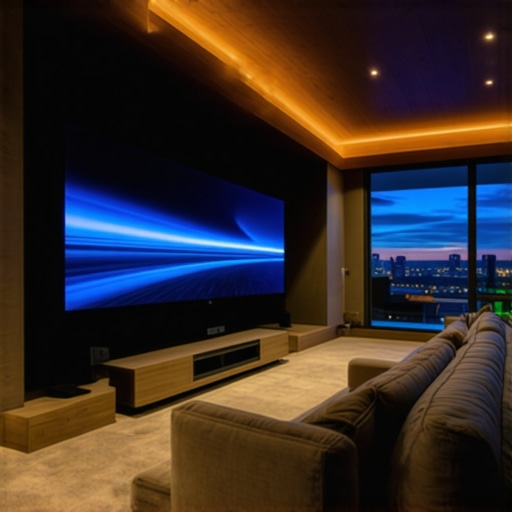
Visualizing these solutions, an image illustrating a high-tech home theater with integrated smart lighting, automated window treatments, and layered ambient lighting would perfectly complement this section, showcasing the harmony of technology and design.
Addressing the Psychological Dimensions of Ambient Light Management
Beyond technical precision, I’ve come to appreciate the profound psychological impact that ambient lighting exerts on the viewer’s experience. A thoughtfully designed environment can evoke feelings of comfort, focus, or excitement. For instance, I use warm dimmable lights to foster a cozy atmosphere, ideal for family movie nights, while cooler, dimmed lighting enhances concentration during critical viewing or gaming sessions. This nuanced control influences mood and emotional engagement, transforming the home theater from a mere viewing space into a sanctuary of shared experience. According to research in environmental psychology, such control over lighting can significantly improve viewer satisfaction and reduce fatigue, making the investment in sophisticated lighting systems well worth the effort.
Integrating Aesthetic Considerations with Functional Excellence
Achieving a balance between aesthetic appeal and functional performance is crucial. I prioritize subtle lighting fixtures that blend seamlessly with room decor, avoiding intrusive hardware that disrupts the visual harmony. Customizable lighting zones allow me to tailor the ambiance for different occasions, from casual viewing to formal presentations. Using color-tunable LEDs, I can create scene-specific lighting palettes that complement the content, further immersing viewers. This approach aligns with the insights from Ultimate Home Displays, emphasizing that aesthetic cohesion enhances overall satisfaction and perceived value of the home theater.
Collaborating with Technology for a Futuristic Viewing Sanctuary
Looking ahead, I’m excited about the potential of integrating voice-controlled assistants and augmented reality overlays to manage ambient light intuitively. Imagine walking into your theater, uttering a command to dim the lights, draw blackout curtains, and adjust the display settings—all in harmony. These innovations promise a future where the boundary between technology and comfort dissolves, creating an environment that adapts effortlessly to your preferences. For those interested in exploring these cutting-edge possibilities, I recommend consulting resources like Ultimate Home Displays’ advanced guides to stay ahead of the curve.
Engage with My Personal Journey and Share Your Innovations
If you’re passionate about elevating your home theater environment, I invite you to share your experiences or ask about specific challenges you face. My journey has been one of experimentation and continuous learning, and I’m eager to exchange insights that can help us all achieve the perfect ambient light balance. Visit our contact page to connect or seek personalized advice. Remember, mastering ambient light isn’t just a technical pursuit—it’s an art form that transforms your space into an immersive, emotionally resonant sanctuary for entertainment and relaxation.
Things I Wish I Knew Earlier (or You Might Find Surprising)
The Myth of Total Darkness
When I first set up my home theater, I believed that complete darkness was the only way to get perfect picture quality. Turns out, modern technologies like ambient light-rejecting screens and high-brightness projectors can perform remarkably well even in less-than-ideal lighting conditions. This realization saved me from tearing down walls for blackout curtains and opened my eyes to more flexible room designs.
Reflections Are Not the Enemy—Sometimes
I used to think all reflections were bad, but I learned that strategic placement of lights and screens can actually minimize glare while enhancing contrast. Using indirect lighting, like cove lights, creates a cozy atmosphere without compromising image clarity. It’s a balancing act I wish I understood earlier.
Ambient Light Can Be Your Ally
Instead of fighting ambient light, I discovered ways to incorporate it into my viewing environment. Warm, dimmed lighting not only reduces eye strain but also increases immersion. Smart lighting systems that adapt to the content I watch have transformed my experience from good to exceptional.
The Cost of Ignoring Room Design
Initially, I underestimated how much room design impacts display quality. Small details like wall color, furniture placement, and window treatments can make a significant difference. Investing in thoughtful room design is just as important as choosing the right display technology.
Technology Is Evolving Faster Than My Room
Every year, new display tech promises better performance in ambient light environments. Keeping up with innovations like OLED with anti-reflective coatings or laser projectors with HDR capabilities can be overwhelming but rewarding. Staying informed helps me make smarter upgrades without unnecessary expenses.
Resources I’ve Come to Trust Over Time
- Projector Central: This site offers in-depth reviews and guides on ambient light-rejecting screens and high-brightness projectors. It’s my go-to for understanding technical specs and real-world performance.
- Ultimate Home Displays: A treasure trove of practical advice on room design, display choices, and ambient light management. Their articles helped me balance tech and environment effortlessly.
- Environmental Psychology Literature: For understanding the psychological impact of lighting, I recommend exploring studies on how ambient light influences mood and focus. It gave me a new perspective on room ambiance.
Parting Thoughts from My Perspective
Navigating the complexities of ambient light management in home theaters has been an eye-opening journey. From realizing that total darkness isn’t always necessary to embracing innovative technologies that work with your environment, I believe the key is flexibility and continuous learning. A well-designed space that considers both technical and aesthetic factors can turn your home theater into a true sanctuary of entertainment. If this resonated with you, I’d love to hear your thoughts or experiences. Feel free to share your journey or ask questions—your insights might just help someone else take their setup to the next level. Remember, the best home theater is one that adapts to your lifestyle and makes every viewing session special.