My Journey into Home Entertainment: Choosing Between a Projector and a TV
Recently, I found myself torn between upgrading my home entertainment setup and faced the classic dilemma: should I invest in a projector or stick with a TV? It all started when I decided to create a cozy movie corner in my living room. I remember browsing countless options, trying to weigh the costs, benefits, and overall experience. This personal journey led me to a deeper understanding of the cost comparison between projectors and TVs, which I’d love to share.
Understanding the Price Tag: What’s the Real Cost?
When I first looked into projectors, I was surprised by how affordable some models seemed, especially in contrast to high-end TVs. But the initial price isn’t the whole story. I learned that projectors vary widely—from budget models under $200 to premium options over $2,000. Similarly, TVs span from economical LED models to luxury OLED screens. I found that the key is balancing upfront costs with long-term expenses like replacement lamps for projectors or software upgrades for smart TVs.
Experience Matters: How Do They Really Perform?
From my personal experience, a good TV provides sharp images and vibrant colors right out of the box. It’s straightforward—plug and play. Projectors, on the other hand, require more setup—finding the right wall space, adjusting the image, and dealing with ambient light. However, I noticed that a projector can deliver a much larger screen size for a lower cost, which is fantastic for immersive movie nights. I also researched that ambient light significantly impacts viewing quality, making a dedicated dark room essential for projectors (see TechRadar’s guide).
Is Size Everything? My Thoughts on Screen Dimensions
One thing I love about projectors is their ability to create a theater-like experience with enormous screens, often 100 inches or more. But I wondered—does size always mean better? I found that screen size impacts both cost and space. Larger screens require higher-end projectors with better resolution, which can increase expenses. Conversely, modern smart TVs now offer large sizes at competitive prices, but they might still fall short of a true cinematic scale.
What’s the best way to decide based on my budget and space?
This question haunted me during my decision-making process. Ultimately, I realized that my choice depends on my room size, lighting conditions, and budget. For a dedicated dark room, a projector gives me that cinematic feel without breaking the bank. For a bright living room, a good quality TV might be more practical. If you’re interested in exploring more about setting up your perfect home theater, check out this detailed guide.
If you’ve faced similar dilemmas, I’d love to hear your experiences. Share your thoughts in the comments or tell me about your own home theater setup!
How Do Bright Rooms Change the Game for Projectors and TVs?
One of the most nuanced aspects of choosing between a projector and a TV is understanding how ambient lighting impacts your viewing experience. Bright rooms with large windows can drastically diminish the picture quality of a projector, which relies heavily on darkness to deliver crisp images. Conversely, modern TVs, especially OLED and QLED models, are engineered to perform well in well-lit environments, making them more versatile for everyday use. When I evaluated my space, I realized that my living room’s large windows meant I needed to consider light management solutions, such as blackout curtains or specialized projector screens that reflect ambient light, to optimize image clarity (see CNET’s guide).
The Practicalities of Installation and Flexibility
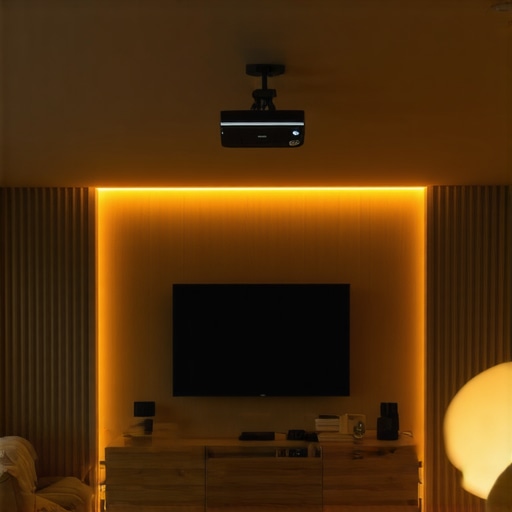
Another layer of complexity involves installation logistics. Projectors often require ceiling mounts, appropriate distance from the screen, and sometimes, additional wiring for power and audio. This can be a daunting task for DIY enthusiasts or those renting, as permanent modifications might be needed. Smart TVs, however, are straightforward—just place or mount them on a wall and connect to Wi-Fi. Their plug-and-play nature offers convenience but limits flexibility in terms of repositioning. For a dynamic setup that can adapt to future room changes, I found that smart TVs are often more user-friendly, whereas projectors offer a more cinematic experience at the cost of more involved setup (explore TechRadar’s detailed comparison).
How Will Future Technology Shape Your Choice?
Looking ahead, technological advancements continue to blur the lines between projectors and TVs. Innovations like ultra-short throw projectors allow for large images from a short distance, making them more compatible with regular living spaces. Meanwhile, TV manufacturers are pushing the boundaries with brighter, more colorful displays, and even flexible screens that can roll up or change shape. As an enthusiast, I keep an eye on these developments, recognizing that today’s choice might evolve tomorrow. For those interested in staying ahead, I recommend regularly reading authoritative sources like TechRadar or Digital Trends, which provide insights into emerging display technology and their practical implications.
What features or future trends are you most excited about in home entertainment displays?
Engaging with these questions helps clarify personal priorities—whether it’s picture quality, ease of setup, or technological innovation. If you’re contemplating your next upgrade, consider consulting comprehensive guides like this ultimate guide to ensure your investment aligns with your entertainment goals. And don’t forget—sharing your experiences and questions in the comments can spark valuable insights for the whole community!
Reevaluating My Priorities: Beyond Price and Size
As I continued my exploration, I realized that my initial focus on cost and size was just the tip of the iceberg. The true magic of a home entertainment system lies in how well it integrates into my lifestyle and personal preferences. For instance, I’ve come to appreciate the importance of sound quality—something often overlooked when choosing between a projector and a TV. High-quality audio can elevate the viewing experience, making even a modest screen feel immersive. I invested in a decent soundbar, which made a noticeable difference and reminded me that technology is only part of the story; the overall sensory experience matters just as much.
My Experience with Maintenance and Longevity
One of the unexpected lessons I learned was about maintenance. Projectors, especially those with bulb technology, require regular lamp replacements—an ongoing cost and effort I hadn’t initially considered. I read that some models have longer-lasting LEDs or laser light sources, which can be more reliable and cost-effective over time (Costar’s comparison). On the flip side, modern smart TVs tend to be more durable, with fewer parts that wear out quickly, but they also come with their own set of software updates and potential obsolescence in a rapidly advancing tech landscape. It’s a balancing act—do I want to invest in a system that’s low maintenance or one that offers more flexibility but requires occasional upgrades?
Creating the Perfect Viewing Environment: My Personal Challenges
Designing a space that suits either choice also presented its own set of challenges. For my dedicated home theater room, I prioritized controlling ambient light—installing blackout curtains and choosing a projector screen designed to handle ambient reflections. This setup felt like creating a mini-theater, a space where I could escape into my favorite films. Conversely, my living room, with its large windows and open layout, demanded a different approach—opting for a bright, high-end OLED TV that could perform well during daytime or in well-lit conditions (CNET’s guide). It became clear that adapting my space was just as important as selecting the device itself.
What About Future-Proofing My Setup?
As I looked ahead, I wondered about future-proofing my investment. Technology evolves rapidly, and what seems cutting-edge today can quickly become outdated. Ultra-short throw projectors, for example, are gaining popularity for small rooms—allowing massive images from just a few inches away (TechRadar’s guide). Meanwhile, TV manufacturers are pushing the envelope with brighter, more vibrant displays and flexible screens that can roll or bend, opening up new design possibilities. My takeaway? It’s wise to consider not just current features but also how adaptable and upgradeable the technology is. For anyone pondering a similar decision, I recommend exploring comprehensive resources like this ultimate guide to better understand the long-term implications of your choice.
Inviting Your Experiences and Insights
Throughout this journey, I’ve found that personal preferences and living conditions greatly influence the optimal setup. I’d love to hear from you—have you faced similar dilemmas? What did you decide, and how has it transformed your entertainment experience? Sharing insights can help us all navigate this complex landscape more confidently. Feel free to comment below or connect with me through my blog; I believe that each story adds value and helps refine our understanding of what makes for the perfect home theater.
How Do Advanced Calibration Techniques Elevate Your Home Theater Experience?
One of the most underestimated aspects of optimizing home entertainment systems is the meticulous calibration of display devices. When I delved into professional calibration, I discovered that tools like colorimeters and software such as CalMAN or Portrait Displays’ CalMAN Ultimate can significantly enhance image accuracy, contrast, and color fidelity. By fine-tuning gamma, white balance, and color accuracy, I was able to achieve a picture quality that rivals commercial cinemas, especially on my high-end OLED TV. This process not only improves the visual experience but also extends the lifespan of the display by preventing overdriving components. For those serious about their home theater quality, investing time and resources into calibration can be transformative. I recommend exploring detailed guides like RTINGS’ expert calibration tutorials to unlock the full potential of your setup.
What Are the Hidden Costs of Long-Term Maintenance and How Can You Mitigate Them?
During my research, I was surprised to learn about the ongoing costs associated with projector bulb replacements, which can range from $50 to over $300 per bulb, depending on the model. LEDs and laser light sources are promising alternatives, offering longer lifespans—up to 20,000 hours—reducing maintenance frequency (Costar’s comparison). On the other hand, smart TVs, while generally more durable, may become obsolete faster due to rapid software updates or hardware limitations. To mitigate these costs, I adopted a proactive approach—regularly monitoring the condition of my projector’s lamp and considering models with extended warranties or upgrade paths. Additionally, I realized that investing in quality surge protectors and proper ventilation can prevent premature component failures. If you’re contemplating a long-term investment, I suggest consulting comprehensive resources like TechRadar’s maintenance tips for home displays.
How Can Future Innovations in Display Technology Influence Your Choice?
The rapid pace of innovation continually reshapes the landscape of home entertainment. Ultra-short throw projectors are now capable of delivering 100-inch screens from just inches away, making them ideal for small or multipurpose rooms (TechRadar’s latest reviews). Meanwhile, flexible and foldable TVs, such as Samsung’s The Flex, promise to revolutionize how we integrate screens into living spaces. Additionally, advancements in microLED technology aim to offer brighter, more vibrant displays with superior longevity, blurring the traditional boundaries between projectors and TVs. As an enthusiast, I keep a keen eye on these developments, recognizing that today’s choice might evolve into a future-proof investment. Staying informed through reputable sources like Digital Trends can help you anticipate these shifts and adapt accordingly.
What features or emerging trends are you most eager to integrate into your home entertainment system?
Engaging with innovative features like Dolby Vision HDR, HDMI 2.1 support, or even AI-driven image enhancement can dramatically elevate your viewing experience. Personally, I am excited about the potential of 8K resolution and the integration of voice-controlled smart home ecosystems that seamlessly coordinate with my display setup. If you’re considering an upgrade or starting anew, I encourage you to explore comprehensive resources like this ultimate guide to make informed decisions. Your insights and experiences can also inspire others—so feel free to share your journey in the comments or connect through my blog!
How Do Sound Quality and Acoustic Environment Shape Your Visual Experience?
While visual fidelity often takes center stage, I quickly realized that sound quality is equally critical. A stunning image can be diminished by poor audio. I invested in a quality soundbar with Dolby Atmos support, which transformed my viewing sessions into immersive auditory experiences. Proper acoustic treatment—such as installing foam panels or Bass traps—further enhances clarity and reduces echo, complementing high-quality visuals. In my experience, a balanced combination of visual calibration and sound optimization creates the perfect environment. For those looking to elevate their setup, I recommend exploring specialized acoustic solutions and audio calibration techniques available in dedicated guides like AVS Forum’s expert advice.
What Are Your Experiences with Upgrading or Maintaining Your Home Theater Equipment?
Sharing real-world experiences has been invaluable in my journey. From troubleshooting software glitches to understanding the importance of regular firmware updates, I’ve learned that staying engaged with the community and manufacturer support can extend the lifespan and performance of my devices. Moreover, understanding the warranty options and upgrade paths allows me to plan financially and technologically. If you’re considering upgrades or facing maintenance challenges, I invite you to join discussions on forums or consult trusted review sites to gather insights that suit your unique needs. After all, a well-maintained, thoughtfully upgraded home theater setup can truly transform your leisure time into a cinematic adventure.
Things I Wish I Knew Earlier (or You Might Find Surprising)
The Hidden Cost of Bulb Replacements
One surprising thing I learned was how quickly projector bulbs can burn out and the ongoing expenses involved. At first, I underestimated how often I’d need to replace them, which added up over time. Investing in LED or laser projectors can really save money and hassle in the long run, something I wish I had known from the start.
Ambient Light Is a Dealbreaker
Dealing with ambient light was more critical than I expected. Bright rooms with large windows can wash out a projector’s image, making it less enjoyable. I discovered that blackout curtains or reflective screens can make a huge difference, but it’s an extra step I didn’t initially consider when choosing my setup.
Size Isn’t Everything—Practicality Matters
I was tempted by the idea of giant screens for immersive viewing, but I realized that practicality and space constraints matter too. A massive projector setup might not be feasible in smaller rooms, and modern large TVs can come close in size without the setup complexity.
Setup and Flexibility Can Be Challenging
Installing a projector involves ceiling mounts, proper distances, and sometimes complex wiring. I found that smart TVs are much easier to set up and reposition if needed. Depending on your living situation, this can be a crucial factor.
Future Tech Continues to Evolve
Keeping an eye on emerging technologies like ultra-short throw projectors and flexible screens has been exciting. These innovations could reshape the home entertainment landscape, making choices today more future-proof. I recommend staying informed through trusted sources like TechRadar or Digital Trends.
” ,