
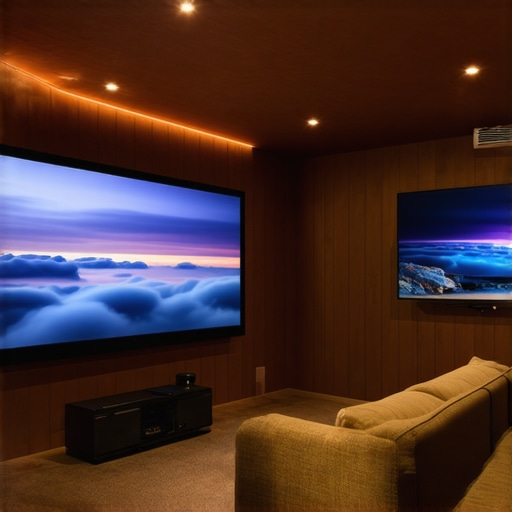
My Journey to the Perfect Home Theater Experience
Not long ago, I found myself torn between upgrading my living room with a sleek new TV or investing in a high-quality projector. As someone passionate about creating the ideal home entertainment space, I decided to dive deep into the pros and cons of each option. My goal was to find the best display that fit my space, budget, and viewing preferences, which I believe can help you too.
Understanding the Allure of Home Theater Projectors
When I first considered a projector, I was drawn by the idea of a cinematic experience right in my living room. Projectors can produce massive images that rival commercial theaters, especially when paired with a good screen and proper ambient light management. I learned that modern projectors, like those discussed in the ultimate guide to home theater display options, have advanced features such as 4K resolution, HDR, and smart capabilities that make them more versatile than ever.
Why I Started Considering a TV Instead
On the flip side, I realized that TVs offer outstanding brightness, contrast, and color accuracy, which are crucial in rooms with ambient light. My initial hesitation was about the size limitations and the potential for a higher cost for large screens. But after researching, I found that today’s high-end TVs, including OLEDs and QLEDs, can deliver stunning picture quality and are more straightforward to set up — no need to worry about screen size with projectors or managing ambient light as meticulously as with a projector.
How Ambient Light Affects Your Viewing Experience
I can’t emphasize enough how ambient light impacts your choice. For a dedicated dark room, a projector can shine, delivering that true cinematic feel. However, in a bright or multi-purpose living space, a TV might be more practical, as explained in managing ambient light for perfect viewing. I tested both scenarios, and honestly, the ambient light environment was the deciding factor in my final decision.
Screen Size Considerations and Your Room Space
One question I frequently asked myself was, “What screen size is ideal for my room?” The answer depends heavily on room dimensions and seating distance. I found that a larger screen enhances immersion, but only if your room can accommodate it comfortably. For detailed guidance, I referred to this helpful resource. It helped me tailor my setup to my space without sacrificing comfort or picture quality.
Is a Projector or TV Better for My Budget?
This is a common concern. When I compared costs, I discovered that projectors, especially those in the mid-range, can offer a bigger picture at a lower price than large TVs. However, I also considered long-term expenses like bulb replacements and screen maintenance. For detailed cost comparisons, check out this cost analysis. Ultimately, it depends on your priorities and budget constraints.
If you’re still undecided about which display suits your needs, I encourage you to explore more on the contact page. Sharing experiences and asking questions can help clarify your options. Remember, both projectors and TVs have unique advantages, and your personal preferences will guide the best choice for your home theater setup.
What has been your experience with choosing a home theater display? Share your story in the comments below or visit our homepage for more insights. Happy viewing!
Unlocking the Full Potential of Your Home Theater Setup
As an enthusiast dedicated to delivering cinematic experiences at home, I understand how crucial it is to select the right display technology. The choice between a projector and a TV isn’t just about size or cost—it’s about understanding the nuances that affect your viewing pleasure. With the right knowledge, you can craft a setup that perfectly aligns with your room conditions, budget, and personal preferences.
How Ambient Light Shapes Your Viewing Strategy
Ambient light plays a pivotal role in your home theater experience. If your room floods with natural or artificial light, a high-brightness TV, especially OLED or QLED models, might be your best bet. These displays are designed to cut through ambient brightness, preserving vivid colors and deep blacks. Conversely, if you have a dedicated dark room, a projector can truly shine, offering a large, immersive picture that rivals commercial cinemas. Managing ambient light effectively can be the difference between a good viewing experience and a spectacular one, as detailed in this comprehensive guide.
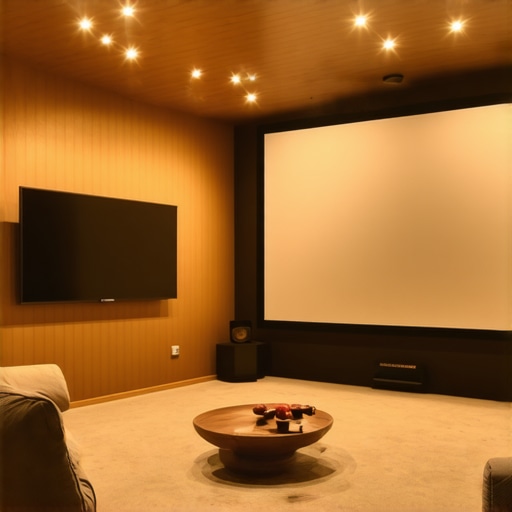
The ideal setup balances room lighting with your display choice, ensuring optimal picture quality regardless of external conditions.
Size Matters: Tailoring Screen Dimensions to Your Space
Choosing the right screen size isn’t just about going as big as possible. It involves considering your room dimensions, seating distance, and viewing angles. Larger screens enhance immersion but can overwhelm a small room or uncomfortable seating arrangements. I found that leveraging tools like this expert resource helped me find that sweet spot—where size enhances experience without sacrificing comfort. Remember, optimal viewing distance is roughly 1.5 to 2.5 times the diagonal size of your screen, a principle that guides proper setup.
Cost Considerations: Which Option Offers Better Value?
Financially, the decision often hinges on long-term costs and perceived value. Projectors, especially mid-range models, can deliver massive images at a lower upfront cost compared to large-screen TVs, but they come with maintenance costs like bulb replacements and screen upgrades. High-end TVs, meanwhile, may require a larger initial investment but often demand less ongoing upkeep. For a detailed cost analysis, explore this cost comparison article. Ultimately, balancing initial expenditure with maintenance and longevity determines the best value for your specific situation.
Which display technology truly offers the best experience for different room conditions and budgets?
Understanding the nuanced advantages of each option requires digging deeper into your specific needs. For instance, the latest 4K projectors with HDR support and smart features are closing the gap with high-end TVs in terms of picture quality, as highlighted by industry leaders like CNET and TechRadar. However, the user experience—ease of setup, maintenance, and compatibility—also influences satisfaction. To navigate this complexity, I recommend exploring our detailed ultimate guide to display options.
If you’re still unsure which path to take, don’t hesitate to reach out via our contact page. Sharing your room specifics and viewing habits can help tailor the perfect recommendation. Remember, the best home theater setup is one that harmonizes with your environment and enhances your entertainment experience.
Have you already tested different display options? Share your insights or ask questions in the comments below. For more expert tips, explore our homepage and stay informed on the latest in home theater technology.
Embracing the Nuances of Display Technologies in Your Personal Sanctuary
As I continued refining my home theater setup, I realized that the decision between a projector and a TV extends beyond basic specs and budget considerations. It’s about understanding the subtle interplay of environment, technology, and personal habits. For instance, I found that high-end projectors with laser light sources, such as those highlighted in the ultimate guide to display options, offer remarkable longevity and consistent brightness, making them suitable even for spaces that are not perfectly dark. This insight pushed me to consider the long-term value and maintenance of my setup.
How Do Advanced Light Management and Screen Technologies Shape Your Viewing Experience?
One of the most surprising discoveries was how cutting-edge ambient light management solutions—like motorized blackout shades and ultra-black screens—can transform a room. When I installed automated window treatments and a high-contrast, ambient-light-rejecting screen, I experienced a level of image clarity and color fidelity that rivals professional cinemas. This setup exemplifies how integrating smart home technology with display choices can elevate your experience. For more on managing ambient light effectively, I recommend exploring this comprehensive guide.
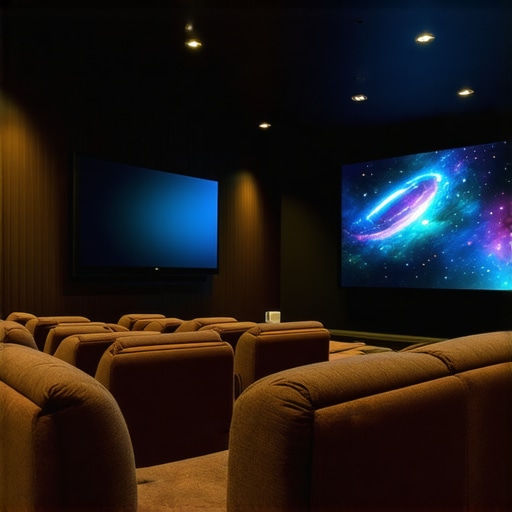
The perfect balance between room lighting and display technology opens new avenues for immersive viewing, regardless of external conditions.
Is Bigger Always Better? The Psychological and Practical Aspects of Screen Size
While I initially believed larger screens were the ultimate goal, I learned that psychological comfort and viewing angles are equally important. I used this expert resource to determine the optimal size for my space, considering my seating arrangement and room dimensions. It’s fascinating how a screen that’s too large can cause eye strain, yet a too-small display might diminish immersion. Finding that sweet spot requires understanding your room’s unique proportions and your viewing habits.
Deep Dive: Cost-Benefit Analysis of High-End Projectors Versus Premium TVs
When I scrutinized the long-term financial implications, I discovered that high-end projectors, especially those with laser illumination like the Sony VPL-XW5000ES, can deliver superior image size and quality at a lower initial cost. However, their maintenance demands—such as periodic cleaning and occasional laser recalibration—are factors to consider. Conversely, premium OLED TVs like the LG G2 offer incredible contrast and color accuracy with minimal upkeep, making them ideal for users seeking convenience and pristine images. For a detailed comparison, check out this in-depth analysis. Ultimately, aligning your budget with your lifestyle and long-term expectations guides your choice.
What Are the Most Overlooked Factors That Can Make or Break Your Home Theater Experience?
Beyond the obvious specs, I found that factors like room acoustics, seating ergonomics, and even the type of remote control system can significantly influence satisfaction. For example, investing in sound treatment panels and ergonomic seating enhances both comfort and audio clarity, complementing the visual setup. Additionally, integrating smart remotes or voice control simplifies operation, making the entire experience more intuitive. Exploring this contact page helped me tailor my setup further by consulting with experts about my specific room conditions.
Have you experimented with different display configurations or technology integrations? Sharing your insights enriches our community’s understanding. Feel free to comment below or visit our homepage for more ideas on creating your perfect home theater environment.
Harnessing the Power of Laser-Illuminated Projectors for Long-Term Investment
One of the most compelling advancements in projector technology I’ve explored is the advent of laser light sources, exemplified by models like Sony’s VPL-XW5000ES. These projectors, with their extended lifespan and consistent brightness levels, offer a compelling case for those seeking durability and high performance. Unlike traditional lamp-based projectors, laser illumination eliminates the need for frequent bulb replacements, reducing maintenance costs and downtime, which I found to significantly enhance the overall value of the setup. According to an insightful analysis in CNET’s detailed review, laser projectors deliver superior brightness and color stability over time, making them a wise investment for dedicated cinephiles and home theater enthusiasts alike.
Integrating Smart Ambient Light Management for a Cinematic Sanctuary
Beyond equipment choices, the integration of smart ambient light control systems has revolutionized my viewing environment. Automated blackout shades and ambient light-rejecting screens, such as those discussed in this comprehensive guide, have enabled me to create a room that adapts seamlessly to different lighting conditions. This intelligent setup not only preserves image integrity during daytime viewing but also enhances contrast and color fidelity at night. The synchronization of these systems with home automation platforms ensures that my cinematic experience is consistently optimized without manual intervention, elevating my home theater from a mere setup to a sophisticated entertainment sanctuary.
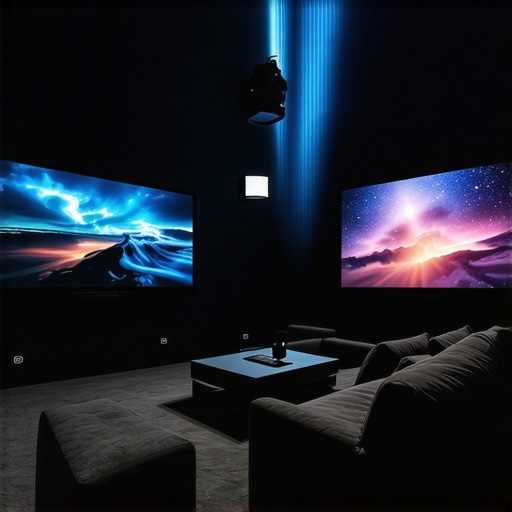
The seamless blend of smart lighting and high-contrast screens transforms any space into an immersive viewing paradise.
Evaluating the Psychological Comfort of Screen Sizes in Personal Spaces
While technical specifications are critical, understanding the psychological impact of screen size on comfort and immersion is equally important. I discovered that a screen that is too large relative to my seating distance could cause discomfort, whereas a modestly sized, well-calibrated display fostered a more engaging and fatigue-free experience. Using this expert resource, I fine-tuned my setup to balance size with ergonomic viewing angles, ensuring my immersive experience remains pleasurable over extended periods. This nuanced approach underscores the importance of personalized calibration in achieving the perfect cinematic environment.
Future-Proofing Your Home Theater with Modular and Adaptive Technologies
Looking ahead, I am increasingly interested in adaptable systems that can evolve with technological advancements. Modular components, such as upgradeable projectors or customizable display panels, offer the flexibility to incorporate future innovations without complete overhauls. For instance, emerging DisplayHDR standards and 8K content support are on the horizon, and choosing a setup that accommodates these upgrades can significantly extend the longevity and relevance of your home theater. According to this forward-looking analysis, embracing modularity and scalability ensures your investment remains future-proof, allowing your entertainment system to grow alongside the evolving landscape of digital media.
Join the Conversation: Elevate Your Home Theater Experience
If you’re contemplating these advanced options or already experimenting with high-end technologies, I invite you to share your insights or ask questions. Engaging with a community of like-minded enthusiasts can unlock new ideas and solutions tailored to your unique space. Feel free to visit our contact page for personalized advice or to discuss specific challenges you face in optimizing your setup. Remember, the journey toward a perfect home theater is ongoing, and embracing innovative strategies can transform your viewing environment into a true cinematic sanctuary.
Things I Wish I Knew Earlier (or You Might Find Surprising)
Ambient Light Is Your Best Friend or Worst Enemy
Early on, I underestimated how much ambient light could sabotage my viewing experience. It’s incredible how even small windows or lamps can wash out a projector’s image, making me wish I’d invested in better light control from the start. Now, I always consider room lighting as a critical part of my setup, not an afterthought.
Size Isn’t Everything — Comfort Matters
Initially, I thought bigger screens automatically meant better immersion. But I learned that optimal size depends on seating distance and room dimensions. A screen that’s too large can cause eye strain and fatigue, which I discovered the hard way. Balancing size with comfort is key for long-term enjoyment.
Maintenance Can Be a Hidden Cost
When I first bought my projector, I didn’t realize how often I’d need to replace bulbs or clean filters. These ongoing costs can add up and impact the overall value. It’s worth factoring in maintenance when planning your budget for a home theater.
Smart Technology Is a Game-Changer
Automated shading and smart remotes have transformed my experience. They make managing ambient light and controlling devices effortless, turning my room into a true cinematic sanctuary. Investing in smart home integration has made a noticeable difference in convenience and picture quality.
Future-Proofing Matters More Than Ever
Choosing modular components and considering upcoming standards like 8K or DisplayHDR ensures my setup can evolve. I wish I’d prioritized scalability earlier, so I wouldn’t feel locked into outdated tech in just a few years.
Resources I’ve Come to Trust Over Time
- CNET: Their in-depth reviews on projectors versus TVs helped me understand long-term value and performance, making them my go-to for trusted tech insights.
- TechRadar: Their comprehensive guides on home theater setups provided practical tips on calibration and room design, which I found invaluable.
- Home Theater Review: This site offers detailed product comparisons and user experiences that helped me make informed choices tailored to my space.
- Ultimate Home Displays: Their ultimate guide to display options was my starting point, offering a balanced overview of projectors and TVs based on real-world scenarios.
Parting Thoughts from My Perspective
Building the perfect home theater setup has been a journey of discovery and patience. The key takeaway for me is that understanding your room environment and personal preferences can dramatically enhance your viewing experience. Whether you opt for a projector or a large TV, the right combination of ambient light management, screen size, and future-proofing can turn your space into a personal cinematic sanctuary. If this resonated with you, I’d love to hear your thoughts—feel free to share your stories or questions in the comments below. And remember, the most important thing is to create a setup that makes you feel at home in your own movie paradise.
Reading about your journey towards the perfect home theater setup really resonated with me. I’ve faced similar dilemmas when upgrading my entertainment space, especially balancing the projector versus TV debate. I found that room lighting plays a huge role in this decision because, like you mentioned, ambient light can wash out projector images quite easily. I recently installed blackout curtains and an ambient light-rejecting screen, which made a noticeable difference in image clarity and vibrancy. It’s fascinating how integrating smart lighting controls can turn a good setup into a truly immersive experience.
One aspect I’m curious about is the maintenance costs over time, especially with projectors that use laser or LED technology. Have you noticed significant long-term savings or challenges with these newer systems? I’d love to hear more about how you’ve balanced initial costs with ongoing expenses, as that’s often the trickiest part of creating a high-end home theater. Your insights could really help others like me who are trying to make a smart, future-proof investment.
Your detailed account of balancing projector and TV options hits close to home for me. I’ve also discovered that ambient light management is essential, especially if I want to enjoy movies during the day without sacrificing picture quality. Installing smart lighting controls combined with blackout shades really transformed my viewing experience, making the environment more versatile. I’m particularly interested in your thoughts on long-term maintenance costs—laser projectors like the Sony VPL-XW5000ES do seem to offer promising durability with less fuss, but their initial prices are certainly higher. Have you found that the reduced downtime and maintenance costs justify the upfront investment? Furthermore, from your experience, how do the costs compare over five to ten years? It’s always a challenge to balance initial expenses with longevity, and sharing real-world long-term insights could help others make smarter choices in developing their own setups.