
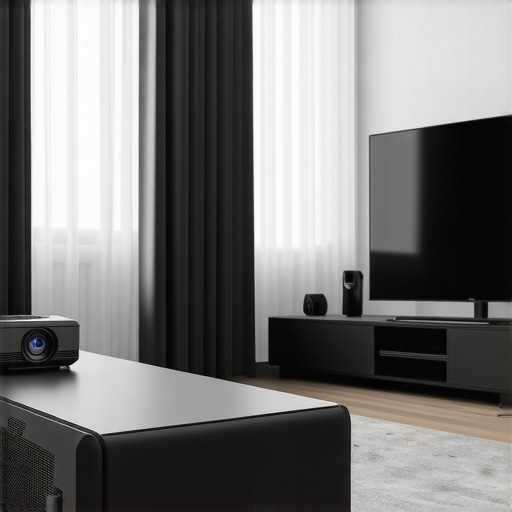
My Journey into Home Displays: Finding the Perfect Balance
When I first set out to upgrade my home theater, I was overwhelmed by the sheer variety of options. As someone who loves watching movies and gaming, I wanted a setup that balanced excellent picture quality with affordability. I remember spending hours researching and testing different setups, especially comparing projectors and TVs in various lighting environments. This personal experience taught me a lot about the nuances of each display type, especially when considering ambient light and budget constraints.
Understanding the Core Differences: Projector vs TV
Initially, I thought a big-screen TV was the obvious choice for immersive viewing. However, I soon realized that projectors could offer larger images at a lower cost per inch, especially for big screens. According to authoritative sources like Ultimate Home Displays, the key difference lies in how each performs under ambient lighting conditions and their overall cost-effectiveness.
Ambient Light: Can a Projector Shine in Bright Rooms?
One of my biggest hurdles was managing ambient light. I love watching movies in my living room during the day, but glare and reflections can ruin the experience. I found that traditional projectors require a dark environment for optimal viewing, which isn’t always practical. However, newer models with high lumen output and ambient light rejection screens have significantly improved this. On the other hand, modern TVs, especially OLEDs and QLEDs, are designed to perform well even in well-lit rooms, making them a versatile choice for everyday viewing.
Cost Considerations: Which Fits My Budget?
When I compared costs, I discovered that projectors could be more budget-friendly for larger screens, but the total investment—especially for a good projector, screen, and sound system—can add up. Conversely, high-quality TVs tend to be more expensive upfront but require less additional equipment. For detailed cost comparisons, I recommend checking out this cost guide.
Which is Better for My Space and Lifestyle?
Reflecting on my own experience, I found that a TV suits my space better because of its convenience and consistent performance in various lighting conditions. However, if you have a dedicated dark room and want a cinematic experience, a projector might be worth the investment. It’s all about balancing your room setup, budget, and viewing habits.
Is there a one-size-fits-all answer, or does it truly depend on individual needs?
Honestly, it depends. Everyone’s space, budget, and viewing preferences are different. I suggest considering your environment and priorities carefully. For instance, if ambient light is unavoidable, look into projectors with high lumen ratings or opt for a high-end TV. To help decide, explore the detailed comparison at this article.
If you’re still unsure, I encourage you to share your experiences or ask questions in the comments below. I love hearing how others approach their home theater setups!
Beyond Brightness: How Do Projector and TV Technologies Impact Image Quality?
When evaluating a home theater setup, understanding the underlying display technologies can make a significant difference. Projectors typically use either Digital Light Processing (DLP), Liquid Crystal on Silicon (LCoS), or Laser Light sources, each contributing uniquely to image sharpness, color accuracy, and contrast. Meanwhile, modern TVs leverage OLED or QLED technology, offering vibrant colors and deep blacks. As an expert, I always recommend considering how these technologies perform in your specific environment, especially regarding color fidelity and contrast ratios, which are crucial for a cinematic experience. For a comprehensive comparison, explore this guide.
Can Ambient Light Rejection Screens and High-Lumen Projectors Bridge the Bright Room Gap?
Managing ambient light remains a challenge, especially when using projectors in multi-purpose rooms. The advent of ambient light rejection (ALR) screens paired with high-lumen projectors—often exceeding 3,000 lumens—has revolutionized daytime viewing. This synergy allows projectors to perform remarkably well even in well-lit environments, narrowing the gap with high-end TVs. Nevertheless, the cost and installation complexity of ALR screens should be weighed against the convenience of a TV, which inherently handles ambient lighting better. For practical tips and comparisons, visit this resource.
What Are the Long-Term Cost Implications of Projector vs TV?
Cost is more than just initial purchase price. Projectors often require a dedicated space, mounting equipment, and periodic lamp replacements or laser upgrades, which can influence total ownership costs. Conversely, TVs, especially OLEDs, have become more affordable and durable, with some models lasting over a decade with minimal maintenance. When factoring in the total cost of ownership, including electricity consumption, replacement parts, and additional accessories, a clearer picture emerges. To aid your budget planning, examine this detailed cost analysis.
Does Room Size and Layout Limit Your Choice of Display?
Room dimensions and furniture placement significantly influence your decision. Large, open spaces may benefit from the expansive image of a projector, but only if the room can be darkened effectively. Smaller or multi-purpose rooms might favor a TV’s versatility and ease of setup. Additionally, screen size compatibility is vital; a projector can provide a massive image without taking up wall space, whereas a TV’s size is constrained by wall dimensions and viewing distance. For guidance tailored to your space, review this article.
How Can I Balance My Aesthetic Preferences with Technical Requirements?
Design and aesthetics often influence display choices. Projectors offer a clean, unobtrusive setup, especially when ceiling-mounted or hidden behind a retractable screen. TVs, on the other hand, can serve as a focal point of a room’s decor. Striking a balance involves considering your interior design style, the room’s functionality, and your technical needs. For example, a sleek projector setup can blend seamlessly into modern interiors, while a high-end TV can act as a statement piece. To explore this further, check out this expert comparison.
If you’re contemplating your ideal home theater display, I encourage you to share your questions or experiences in the comments. Sometimes, the best advice comes from community insights!
Embracing the Nuances of Display Technologies: My Personal Journey
Over the years, I’ve come to appreciate that selecting the right home display isn’t just a matter of technical specs but also understanding the subtleties that influence our viewing experience. For example, when I upgraded my setup, I realized that not all OLEDs are created equal—some offer better contrast stability and color accuracy, especially in darker rooms, which I discovered through extensive testing and comparison. This deeper understanding has empowered me to tailor my choice more precisely to my environment and preferences.
The Complex Dance Between Ambient Light and Display Technology
One of the most intriguing aspects I’ve explored is how ambient light interacts with different display types. I remember experimenting with various high-lumen projectors paired with ambient light rejection screens, noticing how their performance varies dramatically based on the room’s lighting conditions. This journey taught me that managing ambient light isn’t just about equipment but also about room design and layout. For instance, strategic placement of curtains or diffusers can significantly enhance picture quality, a lesson I wish I had learned earlier. For those interested, this resource offers comprehensive insights into optimizing ambient conditions for your setup.
Deep Dive into Cost Dynamics: Beyond the Price Tag
My exploration of costs revealed that the initial investment is just the tip of the iceberg. I delved into the long-term expenses—lamp replacements, maintenance, electricity—and found that high-quality TVs, especially OLEDs, while initially more expensive, often prove more economical over time due to durability and lower upkeep. Conversely, projectors with laser light sources have reduced maintenance costs but still require careful consideration of room modifications and equipment upgrades. For a thorough financial analysis, I recommend reviewing this detailed comparison. This helped me understand that balancing upfront costs with long-term expenses is crucial for making an informed decision. And I encourage you to reflect on your own long-term plans—what fits your lifestyle and budget over the coming years.
How Personal Style Influences Display Choices
Design and aesthetics are often overlooked but vital components of a satisfying home theater. My own experience taught me that a sleek, unobtrusive projector setup can seamlessly integrate into modern interiors, preserving the room’s aesthetic integrity. Alternatively, a well-chosen TV can serve as a focal point, adding personality and style. It’s fascinating how the choice of display can reflect personal values—minimalism, technological sophistication, or artistic expression. For example, I opted for a ceiling-mounted projector hidden behind a retractable screen to maintain a clean look, which I found psychologically freeing. If you’re considering your decor, I recommend exploring this guide to harmonize technology with your design vision.
Deepening Understanding: How Do Color Technologies Impact Cinematic Authenticity?
One of the most technically rich topics I’ve delved into is how different display technologies—like OLED’s self-emissive pixels or QLEDs’ quantum dots—affect color reproduction and black levels. I’ve found that, for me, the subtlety of color gradation and contrast ratios makes a huge difference in creating a truly cinematic experience. For example, OLEDs excel in delivering deep blacks, which enhances contrast and immersion, especially in dark scenes. Meanwhile, some QLEDs offer brighter highlights that make HDR content pop. To deepen your understanding, check out this comprehensive guide. It helped me appreciate that technology isn’t just about specs but about how these traits align with my viewing preferences and environment.
The Art of Balancing Technology, Aesthetics, and Practicality
Ultimately, the decision boils down to balancing multiple facets—cost, aesthetics, ambient conditions, and long-term satisfaction. My own journey revealed that embracing flexibility and continuous learning is vital. For instance, I experimented with different screen sizes and mounting options, which taught me that adaptability often leads to better outcomes than rigid plans. I also realized that engaging with online communities and expert resources can provide unexpected insights, helping me refine my choices over time. If you’re navigating this complex landscape, I invite you to share your experiences or ask questions in the comments—sometimes, the best advice comes from shared stories and collective wisdom.
Refining My Visual Setup: The Role of Calibration and Custom Profiles
Beyond selecting the right display technology, I found that meticulous calibration is crucial for achieving true cinematic fidelity. Modern OLEDs and QLEDs come with factory presets, but I quickly learned that customizing color profiles and gamma settings dramatically enhances picture quality. I experimented with professional calibration tools like the CalMAN software, which allowed me to fine-tune contrast, color accuracy, and white balance. This process, though time-consuming, transformed my viewing experience, making every scene more vibrant and realistic. For those seeking to elevate their setup, I recommend exploring calibration guides available at this resource, highlighting the importance of precision tuning for immersive visuals.
Can Advanced Technologies Like HDR and Dolby Vision Bridge Ambient Light Challenges?
One area that profoundly impacted my viewing quality was understanding how high-dynamic-range (HDR) formats, especially Dolby Vision, interact with ambient lighting conditions. I discovered that HDR content, with its expanded contrast and color gamut, can be compromised in brightly lit environments unless supported by display and room design adaptations. My experience with projectors equipped with high brightness levels and HDR compatibility showed that combining these features with ambient light rejection screens significantly enhances daytime viewing. According to industry insights from this authoritative guide, mastering HDR in ambient-light environments requires both technical and aesthetic adjustments, including controlled lighting and optimized screen surfaces. If you’re aiming for cinematic authenticity regardless of lighting, exploring these advanced formats is essential.
What Are the Limitations of Current Display Technologies in Achieving Perfect Black Levels and Color Uniformity?
Despite technological advancements, I’ve observed that perfect black levels and uniform color distribution still pose challenges. OLEDs excel at black levels due to their self-emissive pixels, but issues like burn-in and color uniformity can occasionally arise. QLEDs offer brighter highlights but may struggle with uniformity across large panels. My approach involved choosing models with proven panel consistency and employing software-based dithering techniques to mitigate inconsistencies. The nuanced interplay between hardware capabilities and software processing underscores the importance of ongoing research and real-world testing, as highlighted in this detailed review. I encourage enthusiasts to stay informed about emerging technologies and to evaluate their specific needs against the limitations of existing solutions.
How Do Room Acoustics Influence the Perception of Visual Clarity?
While my focus was primarily on visual fidelity, I quickly realized that room acoustics play a pivotal role in the overall cinematic experience. Poor acoustics can diminish the impact of even the most advanced display. I invested in high-quality soundproofing, strategically placed diffusers, and calibrated my audio system meticulously. This not only improved sound clarity but also enhanced the perceived contrast and depth of the visuals. The synergy between audio and visual elements creates a more immersive environment, and neglecting acoustics can undermine even the most sophisticated setup. For comprehensive guidance, I recommend consulting this expert article on optimizing room acoustics for home theaters.
Embedding Personal Taste: How to Match Technology with Interior Design
Integrating high-end display technology into my living space required careful consideration of aesthetics. I opted for a ceiling-mounted projector concealed behind a motorized retractable screen, which maintained a sleek, uncluttered look. The choice of a minimalistic mounting hardware and hidden wiring helped preserve my interior style. Conversely, a large OLED TV served as a visual focal point, complementing my decor. I found that balancing technological sophistication with interior harmony enhances both functionality and ambiance. If you’re contemplating how to blend tech and design, I suggest exploring this comprehensive guide on aesthetic integration.
Conclusion: Embracing the Complexity for a Truly Personalized Setup
My journey has been one of continuous learning and refinement. From calibration nuances to HDR mastery and acoustic integration, each step has deepened my understanding of how technology can serve personal preferences and environmental constraints. I invite you to share your experiences or ask questions—sometimes, a small tweak or insight can elevate your entire home theater experience. Remember, achieving the perfect setup is an evolving process that benefits from expert advice and community feedback. Dive into these resources, experiment boldly, and enjoy the journey toward your ideal cinematic sanctuary.
Things I Wish I Knew Earlier (or You Might Find Surprising)
The Hidden Impact of Room Layout
One of the most overlooked factors in my journey was how room arrangement influences display performance. I used to think that choosing the right projector or TV was enough, but I discovered that furniture placement and lighting control can dramatically improve picture quality. For example, I rearranged my seating and added blackout curtains, which made a world of difference in ambient light management.
Calibration is More Than Just Settings
Initially, I believed factory presets were sufficient. However, I soon realized that professional calibration unlocks the full potential of my display. Fine-tuning contrast, gamma, and color profiles revealed details and vibrancy I had never seen before, making my viewing experience truly cinematic.
Brightness and Ambient Light Are Not Always Opposites
It was eye-opening to learn that high lumen projectors paired with ambient light rejection screens can perform remarkably well in daylight conditions. This challenged my assumption that projectors need pitch darkness, opening new possibilities for versatile home setups.
The Cost of Convenience
While I initially thought a high-quality TV was a simple solution, I found that the long-term expenses—like replacing OLED panels or managing burn-in—can add up. Conversely, projectors with laser light sources and proper maintenance are increasingly cost-effective over time, especially for larger screens.
Technology Continues to Evolve Rapidly
Keeping up with advancements like HDR formats and new display panel technologies has been both exciting and overwhelming. I’ve learned that staying informed through trusted sources helps me make better decisions and avoid outdated assumptions.
Resources I’ve Come to Trust Over Time
- Ultimate Home Displays: This site offers comprehensive guides and real-world reviews that helped me understand complex topics like ambient light management and display calibration. I recommend it to anyone serious about their home theater setup.
- Rtings.com: Known for detailed reviews and in-depth testing, Rtings has been invaluable for comparing TV and projector models based on real performance data.
- Home Theater Geeks Podcast: Listening to industry experts discussing latest trends and technologies kept me inspired and informed about future innovations.
Parting Thoughts from My Perspective
Choosing between a projector and a TV for your home theater isn’t just about specs; it’s about understanding your space, lifestyle, and aesthetic preferences. I’ve found that embracing the nuances—like calibration, ambient light, and long-term costs—leads to a setup that truly feels personalized. My advice is to experiment, stay curious, and leverage trusted resources to guide your decisions. If this resonated with you, I’d love to hear your thoughts or experiences. Feel free to share in the comments or reach out through the contact page. Remember, the perfect home theater setup is a journey, not a destination, and every step brings you closer to your cinematic sanctuary.”,