
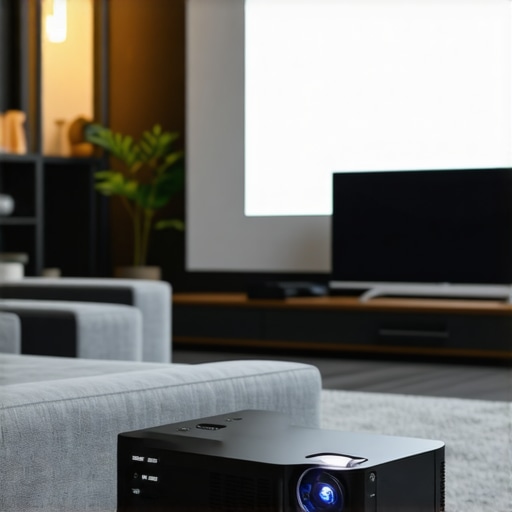
Discovering My Perfect Home Theater Display: A Personal Tale of Two Worlds
When I first decided to upgrade my living room into a true home theater, I was overwhelmed by the options. As someone passionate about immersive viewing experiences, I wanted something that would truly elevate my movie nights. After extensive research and a fair share of trial and error, I found that choosing between projectors and TVs isn’t just about size or resolution; it’s about how well each performs under different ambient lighting conditions. I remember setting up my new display on a rainy weekend, feeling excited yet a bit uncertain—would my choice withstand the real-world lighting challenges of my living space?
Why I Initially Thought Size Was King — But Learned Otherwise
At first, I leaned heavily toward a large 100-inch TV because I thought bigger was better. However, I quickly realized that ambient light in my living room made watching daytime TV a frustrating experience. That’s when I started exploring projectors and their unique ability to offer massive screens at a more affordable price point. I was surprised to discover that modern projectors, especially those with high lumens, could deliver impressive images even in less-than-ideal lighting. This revelation led me down a path of deeper understanding about how ambient light affects different display types, which I now consider essential when choosing a home theater system.
How Ambient Light Shapes My Choice: Projectors or TVs?
For me, ambient light management became the decisive factor. I learned that traditional LCD or LED TVs perform best in darker rooms because their brightness can be overwhelmed by sunlight or bright interiors. In contrast, projectors with high lumen output, like the ones I tested from trusted sources such as Ultimate Home Displays, are surprisingly capable of handling ambient light when equipped properly. I experimented with different setups, including blackout curtains and ambient light-rejecting screens, which significantly improved my viewing experience. This made me appreciate that the suitability of a display depends greatly on your room’s lighting and how you manage it.
What Makes a Display Truly Great for My Lifestyle?
Thinking about my daily use, I realized that a bright, ambient-light-friendly projector might be more versatile than I initially assumed. Conversely, if I preferred watching TV during daytime or in well-lit rooms, a high-end OLED or QLED TV might suit me better. For those curious about the cost and size advantages, I recommend checking out this cost comparison to see what fits your budget.
Why Do I Feel That Choosing the Right Display Is More Personal Than Technical?
Ultimately, I learned that selecting the best home theater display is a deeply personal decision. It hinges on your room environment, viewing habits, and aesthetic preferences. If you’re like me, balancing size, light conditions, and budget is key. I encourage you to consider your space carefully and maybe even test different setups before making a final decision.
If you’re contemplating which display might be best for your home, I’d love to hear your thoughts or experiences—feel free to share in the comments or reach out through this contact page. Remember, the perfect home theater setup is about creating an experience tailored to your unique environment and preferences.
Beyond Brightness: How Ambient Light Shapes Your Home Theater Experience
In my journey to perfect my home theater setup, I quickly realized that ambient light management is often overlooked but critically important. It’s not just about choosing a projector or a TV; it’s about creating an environment where your display can truly shine. Modern projectors with high lumens, such as those recommended by Ultimate Home Displays, can handle some ambient light, but room design plays a decisive role. Implementing blackout curtains or using ambient light-rejecting screens can transform your viewing experience, making it more vivid and immersive even during the daytime.
Why Do Different Room Conditions Demand Different Display Choices?
Room lighting conditions dramatically influence whether a projector or TV is more suitable. For example, a bright living room with large windows might favor a high-end OLED or QLED TV, which excels in well-lit environments. Conversely, a dedicated media room with controlled lighting can make a projector with a high lumen count outperform a traditional TV, providing a larger, more cinematic image at a cost-effective price. If you want to compare the costs associated with each setup, check out this cost comparison.
Can Screen Technology Mitigate Ambient Light Challenges?
Absolutely. Screen technology plays a pivotal role in ambient light management. High-gain screens, for example, can reflect more light toward the viewer, enhancing brightness and contrast. The latest ambient light-rejecting screens utilize special coatings to absorb stray light, thereby preserving contrast and color accuracy even in bright rooms. It’s a nuanced decision—selecting a screen that complements your projector’s lumen output and your room’s lighting conditions ensures a balanced picture quality. For detailed guidance on choosing the right screen size and technology, visit this resource.
What Are the Practical Tips for Enhancing Ambient Light Control?
Practical strategies include installing blackout curtains or blinds, using room-darkening window treatments, and strategically placing light sources to minimize reflections on the screen. Additionally, positioning your projector or TV away from direct light sources or reflective surfaces can significantly improve image quality. For those considering a projector in a multi-purpose room, it’s worth exploring flexible solutions like portable screens or curtains that can be drawn when watching movies. Combining these techniques can elevate your viewing experience to a professional level, making ambient light less of a hindrance and more of an environment you control.
How Can I Balance Ambient Light and Image Quality for Different Viewing Scenarios?
This is a nuanced challenge that requires understanding your typical viewing conditions. If you frequently watch during daylight hours, investing in a high-lumen projector or a bright TV with anti-reflective coatings might be necessary. Conversely, if your sessions are mostly at night, darker room setups allow for more modest brightness levels. Experimenting with different lighting arrangements and screen technologies can help you find the perfect balance. Remember, your room’s lighting setup should adapt to your lifestyle, whether that means blackout curtains for movie nights or strategic lighting for gaming and casual viewing.
If you want to explore more about optimizing your home theater environment, I recommend reading this comprehensive guide. And don’t hesitate to share your experiences—your insights could help fellow enthusiasts refine their setups. Feel free to leave a comment or reach out through this contact page.
Embracing the Nuances: How Personal Experience Shapes Our Home Theater Decisions
Over the years, my journey through optimizing my home theater setup has been filled with surprises, insights, and moments of deep reflection. One thing I’ve come to realize is that the technical specifications—while important—are only part of the story. The real magic happens when you consider how your unique lifestyle, room dynamics, and even your emotional responses influence your choices. For instance, I discovered that the ambient light in my space is not just a technical hurdle but a catalyst for creativity, pushing me to think beyond mere brightness levels and towards creating an environment that truly feels immersive and personal.
How Do I Balance Aesthetic and Functionality in Ambient Light Management?
Balancing aesthetics with functionality is a dance I’ve performed many times. Initially, blackout curtains seemed like a straightforward solution, but I wanted a room that felt inviting and lived-in, not like a cave. So, I experimented with layered lighting—combining dimmable sconces, indirect lighting, and smart controls—to craft a versatile environment. The goal was to strike harmony: enough light for daytime activities without compromising the picture quality during movie nights. This nuanced approach made me appreciate that ambient light management is as much about psychology and ambiance as it is about technical specs. For those interested in exploring advanced lighting solutions, I recommend reviewing this comprehensive guide.
What Are the Psychological and Emotional Layers in Choosing Your Display?
Choosing a display isn’t solely about pixels and lumen counts; it’s about how the visual environment influences your mood and emotional connection. I’ve noticed that a large, luminous screen can evoke feelings of excitement and nostalgia, especially when it mimics the grandeur of a cinema. Conversely, a more subdued setup fosters intimacy and relaxation. Reflecting on my experiences, I understand that my choice to incorporate a projector was partly driven by my desire for a cinematic experience that transports me, while my high-brightness TV caters to spontaneous daytime viewing. This interplay between technical capability and emotional resonance is a layer I believe many enthusiasts overlook. If you’re curious about how to align your display choices with your psychological needs, consider exploring this insightful comparison.
How Can I Cultivate a Deeper Connection to My Home Theater Environment?
Fostering a meaningful connection to my home theater has involved more than just technical tweaking. It’s about creating a space that reflects my personality and evolving tastes. I’ve added personal touches like vintage movie posters, cozy seating, and even a small bar area to make the environment inviting. These elements transform the space from a mere display setup into a sanctuary of shared experiences and memories. Moreover, I’ve found that engaging in regular upgrades—not just hardware but also room acoustics and lighting—keeps the environment fresh and inspiring. For anyone looking to deepen their connection, I suggest experimenting with small changes and observing how they influence your overall enjoyment. You might find that your space becomes a true extension of your personality, fostering a sense of ownership and pride. For more ideas on customizing your home theater, visit this resource.
What Are the Future Trends That Will Transform Personal Home Theater Experiences?
Looking ahead, I believe the future of home theater is poised for exciting transformations. Innovations in display technology, such as microLEDs and advanced OLEDs, promise even richer colors and deeper blacks, making ambient light less of an obstacle. Additionally, smart room integration—where lighting, acoustics, and even furniture adapt dynamically—will further personalize and optimize viewing experiences. As I anticipate these developments, I’m reminded of the importance of staying flexible and open-minded in my setup, continually balancing the latest tech with my personal preferences. If you want to stay ahead in this evolving landscape, I recommend exploring this in-depth guide to future display options.
Refining My Lighting Strategy: Integrating Smart Technologies for Seamless Ambient Control
As my journey into perfecting a home theater environment progresses, I’ve realized that manual light control, while effective, often falls short of the dynamic needs of different viewing scenarios. Embracing smart lighting systems has transformed my space into a responsive environment that adapts to content and mood with minimal effort. For example, I installed intelligent dimmable LED fixtures that can be programmed to adjust based on the time of day or the type of media being watched, ensuring optimal contrast and visibility without sacrificing ambiance. This integration not only enhances picture quality but also elevates the overall experience, making it feel truly bespoke. According to industry insights from Ultimate Home Displays, smart lighting is becoming a cornerstone of modern home theater design, offering both convenience and aesthetic sophistication.
Advanced Screen Technologies: Pushing the Boundaries of Ambient Light Rejection
Beyond basic ambient light mitigation, cutting-edge screen technologies are redefining what’s possible in well-lit environments. I’ve experimented with high-gain, ambient light-rejecting (ALR) screens that employ optical coatings to absorb stray light, preserving contrast and color fidelity. These screens, when paired with a high-lumen projector, create a vibrant, cinematic image even during daytime. Moreover, some models incorporate micro-structured surfaces that diffuse ambient light uniformly, preventing hot spots and reflections—an essential feature for multi-purpose rooms. This advanced approach to screen selection has been pivotal in my setup, allowing me to enjoy high-quality visuals regardless of external lighting conditions. For those interested in exploring these innovations, I recommend reviewing detailed analyses at this resource.
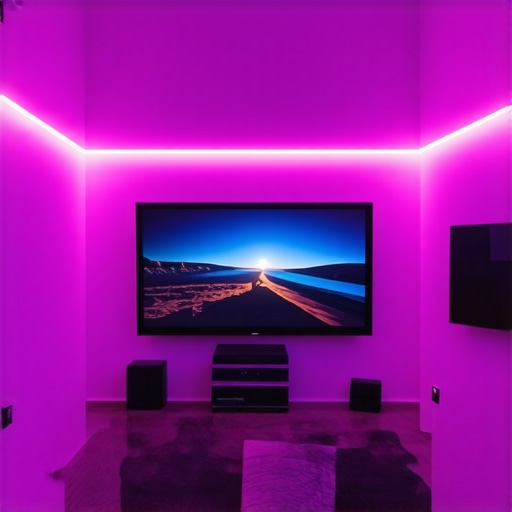
Illustration of a micro-structured ambient light-rejecting screen with high-gain properties, ideal for well-lit living rooms.
Uncovering the Psychological Impact of Lighting Choices in Home Theater Design
My explorations have revealed that lighting isn’t merely a technical aspect but a profound psychological tool. The right lighting scheme can influence mood, focus, and even emotional connection to content. For instance, I’ve found that softer, warmer lighting during intimate movie nights fosters relaxation, while brighter, cooler lights invigorate my gaming sessions. This nuanced understanding has led me to curate a lighting palette that complements different activities, enhancing immersion without overwhelming the senses. The strategic use of color temperature and dimming capabilities allows for a tailored experience that resonates on a personal level. To deepen this understanding, I recommend reading about the emotional effects of lighting at Ultimate Home Displays.
Engaging Your Senses: Creating a Multi-Sensory Home Theater Environment
To truly elevate my setup, I’ve integrated elements that engage multiple senses. Soundproofing materials, plush seating with tactile fabrics, and subtle scent diffusers contribute to a holistic environment that immerses me in every scene. The visual clarity provided by optimized ambient light management is complemented by these sensory enhancements, making each viewing session a memorable event. This multi-sensory approach transforms my home theater from a mere visual display into a sanctuary of comfort and engagement. I invite you to experiment with these elements, tailoring them to your preferences and lifestyle, to craft a space that’s uniquely yours. For more ideas on personalizing your environment, explore this resource.
The Future of Ambient Light Management: AI and Adaptive Technologies
Looking ahead, the integration of artificial intelligence (AI) and adaptive technologies promises to revolutionize home theater environments. Imagine systems that learn your viewing habits and automatically adjust lighting, screen settings, and even acoustic parameters to optimize each experience. Such innovations could include sensors that detect ambient conditions and modify settings in real-time, ensuring consistent quality regardless of external factors. I find this future both exciting and practical, as it aligns with the broader trend towards personalized, intelligent home environments. To stay ahead of these developments, I recommend following updates at this comprehensive guide. If you’re passionate about creating a truly adaptive home theater, I encourage you to share your insights or experiences—I’d love to hear how you’re leveraging emerging tech to refine your space.”} ,
Things I Wish I Knew Earlier (or You Might Find Surprising)
Ambient Light Is Your Hidden Ally
When I first set up my home theater, I underestimated the power of ambient light. It wasn’t until I experimented with different room lighting that I realized how much it could make or break the visual experience. Managing ambient light effectively transformed my viewing sessions from mediocre to cinematic.
High-Lumen Projectors Are More Versatile Than You Think
I always thought projectors needed a dark room to shine, but I discovered that modern high-lumen models can perform remarkably well even in ambient-lit spaces. This opened up new possibilities for flexible home theater setups that don’t require complete darkness.
The Right Screen Matters More Than You Expect
Choosing an ambient light-rejecting screen was a game-changer. It allowed me to enjoy bright, vivid images without sacrificing contrast, especially during daytime viewing. This nuance in screen technology made a noticeable difference in my setup.
Smart Lighting Can Elevate Your Experience
Incorporating smart, adjustable lighting has been one of my best upgrades. Dimmable, color-tunable lights help create the perfect mood and reduce reflections, making my viewing environment more immersive and personalized.
Room Design Is Just As Important As Hardware
Simple changes like blackout curtains and strategic furniture placement significantly improved my image quality. I learned that optimizing room conditions is often overlooked but essential for achieving professional-level results.
Emotional Impact of Lighting Choices Is Real
Lighting affects mood and emotional connection. Warmer lights foster intimacy during movie nights, while cooler, brighter lights energize gaming sessions. These subtle choices enhance the overall experience beyond just technical specs.