
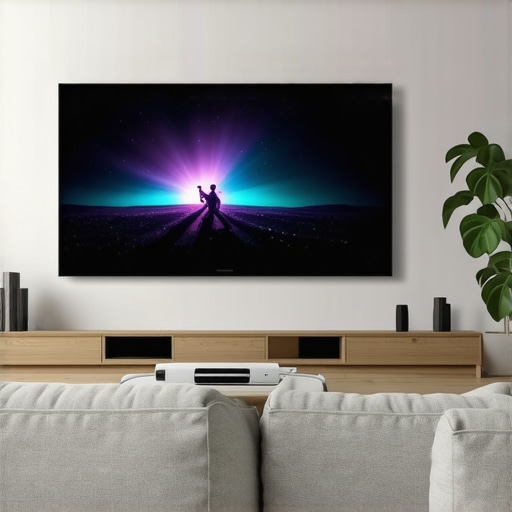
Discovering the Perfect Home Theater Display: My Personal Experience
As someone passionate about creating the ultimate home entertainment setup, I vividly remember the first time I debated between a projector and a TV. It was a mix of excitement and confusion, especially with so many options promising cinematic experiences right in our living rooms. My journey into selecting the best home theater display has been filled with practical lessons, experimentation, and learning from experts.
When I First Considered a Projector for Ambient Light Conditions
Initially, I was drawn to projectors because of their ability to offer a large screen size without breaking the bank. I read reviews on sites like Ultimate Home Displays and learned that projectors excel in rooms with controlled lighting. I remember setting up a small demo in my basement, where the ambient light was minimal, and being blown away by the immersive experience. However, I soon realized that ambient light management is critical; even a slight glow from a window or lamp can diminish the picture quality.
Why I Ultimately Chose a TV for Versatility and Brightness
After some trial and error, I decided to test a high-end TV in my living room, which had natural light sources. The difference was night and day. TVs with advanced anti-reflective coatings and high brightness levels handle ambient light much better than projectors in such environments. I also found that modern OLED and QLED technology offers stunning color accuracy and contrast, making my viewing sessions vibrant and enjoyable regardless of the time of day. For more insights on cost and efficiency, I explored cost comparison articles and was surprised to see how the budget impacts the final choice.
Can a Projector Truly Replace a TV in Every Home?
What factors should I consider beyond just ambient light and budget?
This question had me pondering deeply. I realized that aside from ambient lighting and cost, factors like space constraints, installation complexity, and personal viewing habits matter significantly. For instance, if I wanted a theater-like experience with a huge screen, a projector might still be ideal, but only if I can control the lighting environment. Conversely, for everyday casual viewing, a high-quality TV can serve better. For an in-depth comparison, I checked out screen size and cost efficiency analysis.
Ultimately, I found that the choice depends heavily on your specific needs, room setup, and budget. If ambient light is a constant concern, a brighter TV might be the smarter pick. But if you’re after a true cinematic experience and have a dedicated dark room, a projector can be magical.
If you’re on the fence about your own setup, I recommend exploring different options and even testing them in your space. And don’t forget to share your experiences or ask questions in the comments below—connecting with fellow enthusiasts has been invaluable for me!
How Do Ambient Light and Room Environment Shape Your Display Choice?
Understanding your room’s lighting conditions is pivotal when selecting a home theater display. Projectors shine in dark rooms, offering a cinematic experience without hefty costs, but they falter when ambient light is unavoidable. Conversely, high-brightness TVs equipped with anti-reflective coatings excel in well-lit spaces, providing vibrant images without the need for blackout curtains. This nuanced difference underscores the importance of assessing your room’s natural lighting before making a decision. For a detailed comparison, check out Ultimate Home Displays’ guide.
What Are the Practical Implications of Screen Size and Viewing Distance?
Beyond ambient light, screen size and optimal viewing distance are crucial factors. Projectors can deliver enormous images, ideal for immersive experiences, but require ample space and proper placement. TVs, while often limited in size, provide flexibility and ease of installation. An expert approach involves calculating optimal screen size relative to your seating arrangement; for example, a 100-inch screen might be perfect for a dedicated theater room but overwhelming for a small living space. For more insights, explore screen size tips.
What Are the Hidden Costs and Long-term Value Considerations?
While initial costs are often highlighted, long-term expenses like maintenance, bulb replacements for projectors, or software upgrades for smart TVs can influence your decision. A high-quality OLED TV may offer superior longevity and lower ongoing costs, but a projector with a high lumen output can be a cost-effective way to achieve a large image. Expert advice emphasizes evaluating the total cost of ownership and matching it with your viewing habits. For a comprehensive comparison, visit cost and value analysis.
Have I Truly Considered All Factors for My Unique Space?
As an enthusiast, I often ask myself whether I’ve overlooked critical aspects like noise levels, installation complexity, or future scalability. For example, some projectors produce fan noise that can interrupt viewing, and mounting options might be limited. Similarly, smart TV features and integration with other devices can greatly enhance usability. The key is to adopt a holistic perspective—balancing technical specifications with practical living space constraints. For tailored advice, do visit contact experts.
Ultimately, the perfect display setup aligns with your specific environment, viewing preferences, and budget. Experimenting with different options, or consulting with professionals, can make all the difference. If you’ve navigated similar choices, I’d love to hear your insights—share your experience in the comments or suggest a read that helped you make the decision!
The Nuanced Dance of Room Acoustics and Visual Harmony
One aspect that often escapes the initial planning phase is how room acoustics and lighting interplay to influence visual quality. During my setup journey, I discovered that even the best display can be compromised by poor room acoustics—echoes, background noise, or distracting reflections. This realization prompted me to invest in soundproofing and acoustic treatments, which, surprisingly, improved my viewing experience significantly. Beyond sound, the ambient light management of a space can transform a good display into a great one. For example, I noticed that even with a high-brightness TV, reflections from windows could reduce contrast and vibrancy, reminding me that room design is as critical as the display technology itself. This holistic approach—balancing sound, light, and display—has become my guiding principle for creating a truly immersive home theater. For those eager to fine-tune their environments, I recommend exploring detailed guides on managing ambient light and acoustics, such as the insights shared at Ultimate Home Displays.
The Intricacies of Screen Size and Seating Arrangements
While choosing a display, my focus shifted to optimizing screen size relative to my seating layout. Initially, I thought bigger was always better—until I realized that a 150-inch screen in a small room became overwhelming, causing discomfort and eye strain. I learned that the ideal viewing distance should be approximately 1.5 to 2.5 times the diagonal size of the screen, a guideline I found echoed in expert articles like Choosing the Right Screen Size. To truly personalize my setup, I measured my space carefully and experimented with different configurations, which proved invaluable. This process underscored the importance of understanding not just the technical specs but also the physical dynamics of your environment. It’s worth noting that some projectors offer adjustable zoom and lens shift features, making it easier to adapt the image size without repositioning the entire setup. Reflecting on this, I realize that a flexible, well-calculated plan is key to avoiding costly mistakes and achieving cinematic immersion that feels natural and comfortable.
Balancing Cost, Maintenance, and Future Scalability
One of the most overlooked aspects is the long-term cost of maintaining and upgrading your display system. I initially focused on the purchase price but quickly learned that factors like lamp replacements for projectors or software updates for smart TVs can add up. For instance, my older projector required frequent bulb replacements, which, over time, became a significant expense. Conversely, investing in a high-end OLED TV, although initially pricier, offered longevity with minimal maintenance. I also considered future scalability—whether I might want to upgrade sound systems or integrate new smart home features. My research led me to explore models with smart platform compatibility and HDMI ports that support future upgrades, as detailed at Cost and Value Analysis. This comprehensive approach helped me realize that a balanced investment, considering both upfront costs and long-term expenses, results in a more satisfying and sustainable home theater environment. For those contemplating upgrades, I recommend planning ahead for compatibility and ease of maintenance, which can save headaches and money down the line.
What Are the Hidden Nuances That Transform a Good Setup into a Great One?
Thinking beyond the basics, I found that small details—like the placement of speakers, cable management, and even the room’s aesthetics—play a crucial role in the overall experience. For example, strategic speaker placement can create a more immersive surround sound environment, elevating the viewing experience. I invested time in learning about Dolby Atmos configurations and experimented with speaker arrangements, which made a noticeable difference. Additionally, clean cable management not only enhances aesthetics but also simplifies future upgrades. These nuances, while often considered minor, cumulatively create a more polished and professional setup. For those seeking to refine their spaces further, I advise exploring resources on acoustical treatments and smart wiring solutions. Sharing your own tips or asking about specific challenges in your setup can lead to valuable community insights—feel free to comment below or connect through my recommended resources.
Mastering the Art of Light Control for Cinematic Brilliance
One of the most sophisticated aspects of creating a home theater environment involves meticulous light management. Even in rooms designed for high-end displays, uncontrolled ambient light can undermine image quality, contrast, and color fidelity. I’ve invested in blackout curtains, motorized shades, and strategic lighting controls, which allow me to fine-tune the environment dynamically, achieving a near-theatrical darkness. This level of control not only enhances the picture but also reduces eye strain during extended viewing sessions. For enthusiasts seeking to push their setups further, integrating smart lighting systems that respond to content and time of day can transform a good setup into an immersive experience. These advanced solutions, documented in expert reviews like those on Ultimate Home Displays, exemplify how lighting automation complements high-quality displays.
Optimal Acoustics: Beyond Basic Soundproofing
Sound quality is as critical as visual fidelity, and mastering room acoustics involves more than just adding soundproofing. I implemented bass traps, diffusers, and acoustic panels in strategic locations, which significantly improved clarity and depth. The goal was to eliminate echoes, reduce background noise, and create a balanced soundscape that complements the visual environment. I experimented with Dolby Atmos configurations, positioning ceiling speakers and height channels to craft a three-dimensional sound experience. Achieving this level of audio immersion demands precise calibration, often with professional tools, but the result is truly transformative. For those interested in elevating their acoustic environment, resources like the detailed guides available at Ultimate Home Displays provide invaluable insights into integrating sound and light seamlessly.
Harnessing Automation for a Seamless Experience
Advanced home theater setups benefit immensely from automation technology. I integrated control systems that synchronize lighting, motorized projector screens, and smart devices through a unified interface, allowing me to create personalized scenes—”Movie Night,” “Bright Day,” or “Game Mode”—that adjust all parameters with a single command. This level of integration not only elevates convenience but also preserves the integrity of the viewing experience by ensuring optimal conditions are always maintained. Implementing such systems requires careful planning, compatibility checks, and sometimes custom programming, but the payoff is a truly polished environment that responds intuitively to my needs. For insights on the latest automation solutions, I recommend exploring contacting industry experts who specialize in bespoke home theater integrations.
Refining Screen Placement and Seating for Visual Harmony
Achieving perfect visual harmony involves a nuanced understanding of room geometry and viewer ergonomics. I meticulously measured my seating positions and adjusted the projector lens shift and zoom to align with my preferred viewing angles, ensuring that each seat enjoys an optimal image without distortion or excessive eye movement. Incorporating adjustable mounts and lenses with lens shift capabilities made this process more flexible, allowing me to fine-tune the setup without extensive reconfigurations. Additionally, I considered the height and depth of the seating to maintain a comfortable viewing distance—roughly 1.5 to 2.5 times the screen diagonal—ensuring that the immersion felt natural and not overwhelming. For detailed guidance on this balancing act, see screen size and seating optimization tips.
Future-Proofing Your Home Theater: Scalability and Upgradability
Thinking ahead about future upgrades is a hallmark of a truly refined setup. I prioritized equipment with multiple HDMI 2.1 ports, support for emerging video standards, and smart platform compatibility, which allows seamless integration with new devices and content sources. Considering long-term maintenance, I opted for displays with durable panels and minimal ongoing costs, such as OLEDs with longer lifespans and fewer replacements. Additionally, planning for modular audio systems—like Dolby Atmos-compatible speakers with upgrade paths—ensures that my system can evolve with technological advancements without major overhauls. Expert opinion emphasizes that a scalable, flexible system not only saves money but also preserves the investment over time. For comprehensive strategies on future-proofing, visit latest insights on future-proof setups.
How Can I Leverage Smart Technologies to Elevate My Viewing Experience Further?
Integrating smart home technologies—voice control, personalized presets, and adaptive lighting—can elevate your home theater from good to extraordinary. I’ve experimented with voice assistants like Alexa and Google Home to control my display, sound system, and lighting, creating a hands-free, intuitive environment. Moreover, automating content playback with media servers and streaming integrations ensures seamless transitions and personalized viewing experiences. To truly master these integrations, I recommend exploring the detailed guides and community forums that discuss custom programming and compatibility issues—an enriching resource for enthusiasts eager to push their setups beyond the basics. Feel free to share your own insights or ask questions—I find that community engagement accelerates learning and sparks innovative ideas in home theater design.
Things I Wish I Knew Earlier (or You Might Find Surprising)
The Room’s Lighting is a Game Changer
Early in my setup journey, I underestimated how much ambient light could impact my viewing experience. I used to think that a bright room was fine with a high-brightness TV, but I soon realized that controlling light sources like windows and lamps makes a huge difference. Investing in blackout curtains transformed my space, making the picture pop and reducing glare. This simple step greatly improved my enjoyment and is something I wish I had prioritized from the start.
The Size of Your Screen Matters More Than You Think
Choosing the right screen size isn’t just about wanting a giant display. I learned that the optimal viewing distance and room dimensions are critical; a giant screen in a small space can be overwhelming. I measured my seating area and followed expert guidelines, which helped me avoid eye strain and ensured immersive viewing without discomfort. Adjusting my projector’s zoom to match my space made a noticeable difference.
Long-Term Costs Can Surprise You
When I initially bought my projector, I focused only on the upfront cost. But I soon faced expenses like bulb replacements and maintenance, which added up. Switching to a high-quality OLED TV, while more expensive initially, proved more cost-effective over time with minimal upkeep. Considering these long-term factors helped me make a smarter investment, ensuring my setup remains enjoyable for years.
Acoustics Are Often Overlooked but Critical
Great visuals are only part of the experience. I found that room acoustics significantly influence sound quality. Adding acoustic panels and properly positioning my speakers created a richer, more immersive soundscape. It’s a nuanced process, but paying attention to sound as well as picture truly elevates the home theater experience.
Automation Turns a Good Setup Into an Experience
Integrating smart controls for lighting, screens, and sound systems has been a game changer. I set up scenes like “Movie Night” that adjust everything at once, making the experience seamless and special. Automation not only adds convenience but also ensures my environment is always optimized for watching, which I highly recommend exploring if you want a polished setup.
Resources I’ve Come to Trust Over Time
- Ultimate Home Displays: An invaluable resource for comprehensive guides on home theater setups and ambient light management. Their insights helped me understand how to optimize my room for the best experience.
- AVS Forum: A vibrant community with passionate enthusiasts sharing practical tips and troubleshooting advice. It’s a great place to learn from real-world experiences.
- RTINGS.com: Known for detailed reviews and objective testing of TVs and projectors, helping me compare models accurately before purchasing.
- CinemaTechnology.org: Offers in-depth articles on room acoustics and soundproofing, which improved my audio environment significantly.
Parting Thoughts from My Perspective
Choosing the right home theater display is a deeply personal decision influenced by room environment, budget, and what you value most—whether that’s picture quality, size, or convenience. My experience has shown me that a thoughtful approach—considering ambient light, screen size, acoustics, and future upgrades—leads to more satisfying results. If you’re contemplating your own setup, don’t rush. Experiment, research, and connect with fellow enthusiasts. And if this article resonated with you, I’d love to hear your thoughts or experiences. Feel free to share in the comments or reach out through my recommended resources—building a home theater is as much a journey as it is a destination.
Reading through this post really resonated with my own experience. I initially leaned towards a projector because of the massive screen size, but after some trial, I found that our living room’s ambient light was a real challenge, diminishing the picture quality substantially. Investing in a high-brightness 4K OLED TV changed everything for us—vibrant colors and excellent reflectivity handling make casual daytime viewing so much easier.
What I find interesting is how much space and lighting environment influence the decision. Have others found effective ways to manage ambient light without sacrificing the visual experience? I’ve been considering the addition of smart blinds or blackout curtains that can be automated. Curious about what’s worked best for others in similar setups or if there are innovative solutions beyond that!
Ultimately, creating an optimal viewing environment is a balancing act—space, lighting, and personal preferences all play a part. I’d love to hear more about how others have optimized their rooms, especially with smaller spaces or unconventional layouts.
Reading this post really struck a chord with me, especially the part about how ambient light management can make or break the viewing experience. I’ve faced similar challenges in my living room, where natural light streaming through windows constantly hampers picture quality, despite having a decent 4K HDR TV. I invested in motorized blackout curtains which I can control via a smart home app, and honestly, they’ve transformed my space. Now, I can enjoy clear, vibrant images during the day without sacrificing natural light at night. It’s fascinating how much room environment influences what display tech works best!
For those dealing with ambient light issues, have you explored specific light-reducing window treatments that don’t make your space feel boxed-in? I’d love to hear about different strategies people have used—whether it’s creative lighting design or technical solutions like anti-reflective coatings. Also, do any of you use ambient light sensors that automatically adjust your display brightness or room lighting? It seems like integrating automation into room lighting could be a game-changer for balancing performance and comfort.
This post really hits home for me because I also started out leaning towards a projector, mainly because of the huge screen size and the cinematic feel it provides. However, like many others, I ran into the challenge of ambient light interfering with picture quality, especially in rooms with a lot of windows. After trying several options, I ended up opting for a high-brightness OLED TV, which has been a game-changer for us. The vibrant colors and excellent reflectivity handling make daytime viewing possible without a dedicated dark room. It’s interesting how the room environment plays such a crucial role in display choice. I’m curious—what have others found to be the most effective way to manage ambient light without sacrificing the room’s natural atmosphere? Have you tried smart blinds, or perhaps window films that reduce glare while keeping the space open? I’d love to hear everyone’s strategies, especially if someone has found a creative workaround for small or oddly shaped rooms.