
My Journey into the World of Home Displays: A Personal Perspective
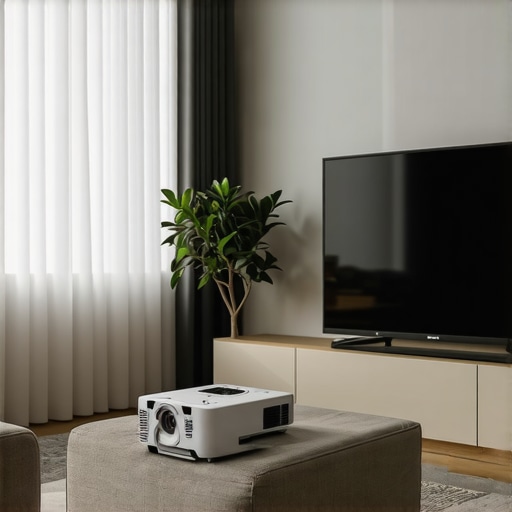
When I first started setting up my home theater, I was overwhelmed by the choices between projectors and TVs. I remember spending hours researching and testing different options, trying to find the perfect balance between screen size, picture quality, and cost. My goal was to create an immersive experience without breaking the bank, and I learned a lot along the way that I’d love to share.
Understanding the Screen Size Dilemma: Personal Insights
One of the biggest advantages of projectors, in my opinion, is their ability to deliver enormous screens at a fraction of the cost of large-format TVs. I initially thought that a giant TV would be the ultimate choice, but I soon realized that projectors can offer a truly cinematic experience. For example, I managed to get a 120-inch screen for under $1,000, which is much more affordable than a similarly sized high-end TV. This makes projectors an attractive option for those seeking maximum screen real estate.
Are Projectors Truly Cost-Effective Compared to TVs?
From my experience, the initial investment in a good projector plus a screen might seem higher than a standard TV, but over time, the cost per inch of display size is significantly lower. I also found that projectors are more flexible, allowing me to easily upgrade the bulb or lens without replacing the entire device. To compare costs accurately, I checked out resources like Cost comparison of projector and TV and realized that for large screens, projectors are often the smarter financial choice.
How Do Ambient Light Conditions Influence My Choice?
One thing I learned the hard way is that ambient light can make or break the viewing experience. I used to think that a high-lumen projector could handle any lighting, but I found that in my bright living room, a high-quality TV with anti-reflective coating was more reliable. I now understand why many experts recommend managing ambient light effectively, as discussed in Managing ambient light for perfect viewing.
What’s the Best Way to Decide Between a Projector and a TV?
If you’re like me, weighing the benefits of size versus convenience can be tricky. I suggest considering your room’s size, lighting conditions, and your budget. For a dedicated dark room, a projector can provide stunning visuals. But if you want something quick and easy for everyday viewing, a high-end TV might be better. To help in your decision, I recommend exploring the Ultimate Guide to Home Theater Display Options.
Is a Projector or TV Better for Movie Nights and Gaming?
In my personal experience, projectors excel for movie nights because of their massive screens and immersive feel. However, for fast-paced gaming, I lean towards a high-refresh-rate TV, which minimizes lag. It’s all about matching your entertainment style to the display technology. I encourage you to share your experiences or ask questions in the comments — I’d love to hear what worked for you!
As I continue to explore this topic, I keep returning to authoritative sources like CNET’s home entertainment reviews for objective insights. Ultimately, whether you choose a projector or a TV, the key is to find a setup that makes your space feel like a personal cinema.
How Can Screen Resolution and Image Processing Elevate Your Home Theater Experience?
While screen size and ambient lighting are crucial, the importance of resolution and image processing cannot be overstated. Higher resolutions, such as 4K or even 8K, provide sharper, more detailed images that bring movies and games to life. Modern projectors and TVs equipped with advanced image processing technologies, like HDR (High Dynamic Range) and local dimming, enhance contrast, color accuracy, and overall picture quality. For example, a projector with HDR support can deliver vibrant visuals even in a dark room, making every scene more immersive. Understanding these features helps you choose equipment that not only fits your budget but also future-proofs your setup against evolving content standards.
What Are the Practical Implications of Lens and Screen Material Choices?
The type of lens and screen material significantly influences image clarity, brightness, and color reproduction. High-quality lenses with minimal distortion ensure that your projected image remains sharp across the entire screen, especially for larger sizes. Similarly, screen materials—such as matte, high-gain, or ambient light-rejecting surfaces—affect how light is reflected and how well the image maintains its fidelity under different lighting conditions. For instance, an ambient light-rejecting screen can dramatically improve visibility in rooms with some ambient light, bridging the gap between dedicated dark rooms and more versatile living spaces. Selecting the right combination of lens and screen material is a nuanced decision that experts carefully consider to optimize performance.
Can Maintenance and Upgradeability Impact Long-Term Satisfaction?
One often overlooked aspect of home theater setup is the ease of maintenance and upgradeability. Projectors, in particular, require regular bulb replacements and occasional cleaning of filters, which can affect ongoing costs and convenience. Conversely, many high-end TVs are more maintenance-free but may have limited upgrade options. Experts recommend choosing equipment with accessible components and considering models that support firmware updates to access new features or improvements. This approach ensures your setup remains current and functional over years, maximizing your investment. For those interested in long-term planning, exploring resources like ultimate cost comparisons can provide insights into the longevity and upgrade paths of different display technologies.
What Are the Hidden Challenges in Achieving Perfect Home Theater Calibration?
Calibration is a critical step often underestimated by enthusiasts. Properly calibrated displays ensure accurate color, contrast, and brightness levels, which directly influence the realism and immersion of your viewing experience. Achieving professional calibration involves adjusting settings like gamma, color temperature, and contrast ratios, sometimes with specialized tools or professional services. Mistakes or neglect in calibration can result in washed-out images or unnatural colors, detracting from the cinematic feel. Experts recommend periodically recalibrating your setup to maintain optimal performance, especially after firmware updates or hardware changes. For in-depth guidance, consider consulting authoritative sources such as CNET’s home entertainment reviews for professional calibration tips and tools.
If you’re keen to refine your setup further, I suggest sharing your experiences or questions in the comments. Also, exploring more about ambient light management and display options at best home theater display tips can offer valuable insights for your next upgrade or adjustment.
Deepening the Connection: How Fine-Tuning Calibration Transforms Your Viewing Experience
Having experimented extensively with different calibration settings, I can attest that the devil truly is in the details. Achieving a perfect balance involves more than just adjusting brightness and contrast; it requires understanding the intricacies of color temperature, gamma curves, and local dimming. When I finally invested in a professional calibration tool and took the time to recalibrate after firmware updates, the difference was astonishing—colors became more vibrant, shadows richer, and motion smoother. This process, while seemingly technical, dramatically elevates your home theater from good to spectacular. I encourage fellow enthusiasts to explore resources like CNET’s calibration guides for expert insights.
How Do Material Choices Impact Long-Term Viewing Satisfaction?
Reflecting on my journey, I realize that selecting the right screen material was a game-changer. I initially overlooked this aspect, assuming all matte surfaces were equal. However, I discovered that high-gain screens and ambient light-rejecting surfaces can significantly influence image clarity and color accuracy, especially in rooms with some ambient light. For instance, investing in a high-quality, ambient light-rejecting screen has allowed me to enjoy clear, vibrant visuals even during daytime viewing, reducing the need for complete light control. This nuanced choice often escapes casual setups but is critical for sustained satisfaction. Experts recommend testing different materials in your space before committing; more details can be found at best display tips.
What Are the Hidden Costs and Benefits of Upgrading Over Time?
From my perspective, one of the most overlooked aspects of home theater planning is future-proofing. While high-end projectors may seem costly initially, their upgradeability—such as swapping out bulbs or lenses—can extend their relevance for years. Conversely, premium TVs often come with firmware updates that enhance features but limited hardware upgrade options. I’ve learned that choosing equipment with accessible components and support for firmware updates ensures longevity and ongoing enjoyment. For example, my recent upgrade to a projector with HDR support has kept my setup aligned with the latest content standards. To compare long-term costs and benefits, I routinely check cost comparisons. I invite you to consider your long-term needs to make smarter investments.
How Can Personal Space and Viewing Habits Shape Your Optimal Setup?
In my experience, the unique dimensions and lighting conditions of my living space dictated many of my choices. I realized that a dedicated, dark room maximized my projector’s potential, while a more versatile living area required a high-quality TV with anti-reflective coatings. Understanding your habits—such as whether you primarily watch movies, play games, or stream content—helps tailor your setup. For instance, I found that gaming benefits from a high-refresh-rate TV, minimizing lag, whereas cinematic experiences flourish with expansive projector screens. I recommend exploring screen size tips to optimize your space. Sharing your own setup challenges in the comments could spark helpful ideas for fellow enthusiasts.
What Advanced Technologies Should I Consider for Future-Ready Home Theater?
Looking ahead, I see technologies like 8K resolution, AI-driven image enhancement, and improved HDR standards shaping the future of home entertainment. Incorporating these into my setup has initially seemed daunting, but I believe that selecting equipment supporting these standards offers longevity and a superior viewing experience. For example, my recent upgrade to a 4K HDR projector with local dimming has already provided a glimpse of what’s possible, and I plan to keep an eye on emerging tech. To stay informed, I follow authoritative reviews at CNET and dedicated home theater communities. Ultimately, the key is balancing current needs with future advancements, ensuring your investment remains relevant for years to come.
Have you experimented with calibration or material choices? Share your insights or questions below—I love learning from fellow enthusiasts. For more advanced tips and personalized guidance, don’t hesitate to reach out to me. The journey to a perfect home theater is ongoing, and every step enriches the experience.
Mastering Calibration: Unlocking the Full Potential of Your Visual Setup
After years of tinkering and fine-tuning, I’ve come to understand that calibration is not merely a technical step but an art form that elevates your entire home theater experience. Achieving professional-grade calibration involves meticulous adjustments of gamma curves, color temperature, and local dimming settings. Recently, I invested in a colorimeter and dedicated calibration software, which allowed me to calibrate my projector with precision, resulting in remarkably richer shadows, more accurate colors, and a more immersive image overall.
One nuanced tip I learned from industry experts—such as those cited in CNET’s home entertainment reviews—is that calibration should be revisited periodically, especially after firmware updates or hardware adjustments. Small tweaks can yield substantial improvements, turning a good setup into a truly spectacular one. For those seeking to deepen their understanding, exploring advanced calibration techniques like 3D LUT calibration can be transformative, though it requires a bit of technical know-how.
Material Matters: Selecting the Ideal Screen Surface for Lasting Satisfaction
Reflecting on my journey, I realize that the choice of screen material can significantly influence long-term satisfaction. Initially, I opted for a standard matte screen, but I soon discovered that high-gain and ambient light-rejecting surfaces could dramatically enhance image quality, particularly in rooms with some ambient light. For example, my upgrade to an ambient light-rejecting screen made daytime viewing crisp and vibrant, reducing the dependency on complete light control. This decision, often overlooked by casual users, proved to be a game-changer in maintaining consistent image fidelity over time.
Expert insights, such as those shared in best display tips, emphasize testing different materials in your space before committing. The right screen surface can optimize contrast, color accuracy, and brightness, ensuring your investment endures and continues to impress.
Could Cutting-Edge Technologies Future-Proof Your Home Theater Investment?
Looking ahead, the rapid evolution of display technologies like 8K resolution, AI-driven image enhancement, and HDR standards offers both challenges and opportunities. I’ve started integrating equipment capable of supporting these innovations, such as a 4K HDR projector with local dimming, which already provides a substantial upgrade in image realism. According to CNET, selecting future-ready devices ensures your setup remains relevant, avoiding premature obsolescence.
Balancing current needs with anticipated advancements requires careful research. I recommend following dedicated forums and manufacturer updates to stay abreast of emerging standards. Your commitment to future-proofing transforms your home theater from a static setup into an evolving entertainment hub, capable of embracing the latest content standards for years to come.
How Do I Integrate High-End Technologies Without Overcomplicating My Setup?
Integrating advanced tech such as AI-driven upscaling or wide color gamuts can seem daunting, but thoughtful planning simplifies the process. Prioritizing compatibility and support for emerging standards ensures seamless upgrades. For example, selecting a projector with HDMI 2.1 support allows easy access to features like variable refresh rate and higher bandwidth for uncompressed HDR playback. I suggest consulting resources like home theater guides for step-by-step advice on future-compatible equipment. Feel free to reach out through my contact page for personalized insights—sharing your setup challenges can lead to tailored solutions that elevate your viewing experience.
Things I Wish I Knew Earlier (or You Might Find Surprising)
The Hidden Power of Calibration
One of the most eye-opening lessons I learned was how much calibration can transform your viewing experience. Initially, I thought I just needed to pick the right TV or projector, but fine-tuning color temperature, gamma, and contrast made my movies look stunningly real. Investing in a calibration tool and dedicating time to this process truly paid off, turning a good setup into an immersive home theater.
Understanding Ambient Light Matters
It might seem obvious now, but I used to underestimate how much ambient light affects picture quality. I thought a high-lumen projector could handle any lighting, but in my bright living room, I realized a matte screen and blackout curtains made all the difference. Managing light conditions is crucial for achieving that cinematic magic.
The Importance of Screen Material
Choosing the right screen surface was a game-changer. I initially went with a standard matte screen, but switching to an ambient light-rejecting surface improved daytime viewing significantly. It’s worth testing different materials to find what works best for your space, especially if you want flexibility without sacrificing quality.
Future-Proofing Your Tech
I wish I had prioritized future-ready features earlier. Technologies like 8K resolution, HDR, and HDMI 2.1 support ensure your setup stays relevant for years. Upgrading my projector with these features now means I won’t need a complete overhaul anytime soon, saving money and stress down the line.
The Value of Ongoing Calibration
Calibrating your display isn’t a one-time task. As firmware updates or hardware changes occur, revisiting calibration settings keeps your picture at its best. I’ve found that periodic tweaks can make a noticeable difference, so I recommend setting a reminder to revisit this every few months.
How Room Size and Layout Influence Setup
My room dimensions heavily influenced my choices. A dedicated dark room maximized my projector’s potential, while a multi-purpose living space needed a high-quality TV with anti-reflective coating. Think about your space and habits—they’ll guide you to the right technology and placement.
Resources I’ve Come to Trust Over Time
- CNET’s Home Entertainment Reviews: For honest, detailed reviews on the latest projectors and TVs, this site has been invaluable in helping me make informed decisions.
- Ultimate Home Displays Blog: Their guides on screen size, ambient light management, and calibration tips are practical and easy to follow, making complex topics accessible.
- AVS Forum Community: Engaging with fellow enthusiasts here has provided real-world insights, troubleshooting advice, and inspiration for future upgrades.
Parting Thoughts from My Perspective
Looking back, the most important takeaway is that creating a home theater isn’t just about buying the biggest or most expensive equipment. It’s about understanding your space, managing ambient light, and fine-tuning your setup through calibration. These small but impactful steps have greatly enhanced my enjoyment and made my home feel like a true cinematic escape. If this resonated with you, I’d love to hear your thoughts or experiences—sharing our journeys makes the process even more rewarding. Feel free to drop a comment or reach out through my contact page to discuss your setup dreams and challenges. Remember, building the perfect home theater is an ongoing adventure, and every improvement brings more joy to your movie nights and gaming marathons.