
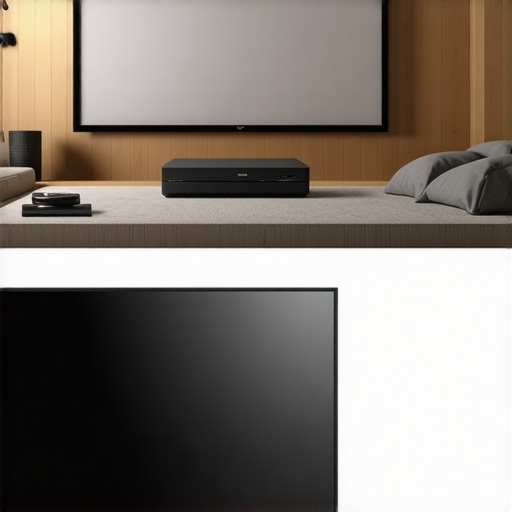
My Journey into Home Theater Choices: From Confusion to Clarity
When I first started exploring options for creating the perfect home theater, I was overwhelmed. Should I invest in a sleek 4K TV or go for a projector that could transform my living room into a cinematic paradise? Sharing my personal experience might help you navigate this decision more confidently.
Understanding Screen Size and Viewing Distance: My Practical Insights
One of the first things I learned was the importance of screen size. I used to think bigger was always better, but after reading insights from sources like Ultimate Home Displays, I realized that optimal viewing distance plays a big role. For example, a 120-inch screen works well if you’re sitting about 10 feet away, but not so much if your seating is closer.
Cost Comparison: Budgeting for the Best Experience
Initially, I thought projectors were more budget-friendly, but after doing some research, I found that high-quality TVs can sometimes be more cost-effective, especially when factoring in installation and maintenance. To get a clear picture, I checked out the cost comparison guide. It helped me realize that my choice depends heavily on my room’s lighting and size.
Ambient Light and Its Impact: My Real-World Testing
Living in a bright, sunlit apartment, I struggled with how ambient light affected my viewing experience. I learned that projectors need a darker environment to shine, whereas TVs are more forgiving. For my space, I found a guide on managing ambient light invaluable. Now, I always consider my room’s lighting before making a purchase.
Which is Better for My Room? Personal Reflection and Tips
After experimenting, I concluded that if you want a large screen and have a dedicated dark room, a projector offers a more immersive experience, often at a lower cost for screen size. Conversely, for bright rooms or multi-purpose spaces, a high-end TV might be more practical. Want to learn more? Check out the comprehensive ultimate guide to display options.
What factors should I consider beyond cost and size for my home theater?
Thinking about your space, lighting, and future upgrades can make a huge difference. For example, if you plan to watch movies mostly during the day, a TV with high brightness might be your best bet. For dimmer rooms, a projector can truly shine. I recommend visiting our contact page if you need personalized advice.
Creating the perfect home theater is a personal journey, and sharing experiences can help us all make better choices. Have you already decided, or are you still weighing your options? Drop a comment below or share your story!
Beyond the Basics: What Are the Hidden Factors That Elevate Your Home Theater Experience?
As someone deeply immersed in home theater optimization, I can tell you that the journey doesn’t end with choosing between a projector and a TV or selecting the perfect screen size. There are nuanced factors—like sound quality, room acoustics, and even seating ergonomics—that significantly influence your viewing pleasure. For instance, integrating a high-quality surround sound system can transform a good setup into an immersive cinematic experience. According to THX, sound quality is equally crucial as visual quality for a true home theater experience. Ensuring your room has proper sound insulation and acoustic treatments can prevent echoes and improve audio clarity, making every scene feel more real.
How Do Future Technologies Influence Your Home Theater Planning?
Looking ahead, emerging technologies like 8K resolution, HDR advancements, and even smart home integrations are shaping the way we approach home entertainment. As of 2024, many industry experts suggest that investing in a flexible system that can adapt to new tech—such as HDMI 2.1 compatibility—can safeguard your investment. For example, a projector with future-proof inputs can handle higher resolutions and frame rates, ensuring your setup remains relevant for years to come. To understand the latest specs and features, I recommend reviewing expert analyses on projector vs. TV in 2025.
Have You Considered How Ambient Conditions and Personal Preferences Shape Your Setup?
Every home theater is unique, influenced by individual preferences, room architecture, and lifestyle. Do you prefer a dark, dedicated room for maximum picture contrast, or do you need a versatile space that doubles as a living area? Personal comfort should guide your choices, from seating arrangements to lighting controls. For instance, automated blackout blinds can optimize viewing conditions during the day, while dimmable smart lighting can enhance nighttime viewing. It’s worth exploring how tailored solutions can improve your experience—many experts recommend consulting specialized home theater designers for personalized advice. If you want to explore options tailored to your space, visit our contact page.
Are you curious about how to balance all these factors within your budget? Check out the detailed cost comparison of projector and TV to find the best value for your investment. Sharing your setup ideas or asking questions can also help others in the community—drop a comment below or suggest more reading topics you’d like to explore!
Embracing the Nuances: Why Room Acoustics Matter More Than I Initially Thought
When I embarked on my home theater adventure, I underestimated the importance of acoustics. I had invested heavily in a high-end display, whether a projector or TV, but it wasn’t until I experimented with sound treatments that I truly appreciated how much room acoustics influence overall enjoyment. Simple acoustic panels and strategically placed rugs can drastically reduce echoes, making dialogue clearer and sound effects more immersive. According to THX, sound quality isn’t just about the equipment but also the environment. This realization pushed me to prioritize room treatment, transforming my space from a visually impressive setup into a true cinematic sanctuary.
What Are the Hidden Costs of Upgrading Your Home Theater Over Time?
Initially, I thought the biggest expense would be the display itself. However, over time, I discovered that accessories like sound systems, lighting controls, and even seating can add up quickly. For example, investing in **smart lighting** that dims automatically or allows color adjustments adds a layer of comfort and atmosphere, but with additional costs. I’ve learned that budgeting for future upgrades is crucial. Check out the cost comparison guide to understand how these extras influence your overall investment. Planning ahead lets you avoid unnecessary expenses and ensures your setup evolves smoothly.
How Do I Balance Aesthetic Appeal with Functional Performance?
One challenge I faced was integrating technology seamlessly into my decor. I wanted a setup that looked good and performed well. Concealing cables, choosing sleek mounts, and selecting unobtrusive speakers helped maintain a clean aesthetic. I also found that choosing a display that complements my room’s style—whether modern, minimalist, or cozy—enhances the overall ambiance. Sometimes, sacrificing a bit of size or advanced features for a more cohesive look pays off in long-term satisfaction. For more tips, I recommend reviewing the ultimate guide to display options.
How Can I Future-Proof My Home Theater Investment?
Thinking about the rapid pace of technological change, I decided to invest in components that support future standards like HDMI 2.1 and 8K resolutions. I also prioritized systems that are upgradeable or compatible with emerging tech. For instance, a projector with multiple HDMI inputs and flexible lens options can adapt to new formats without needing replacement. This foresight has saved me money and stress down the line. Industry experts suggest that selecting versatile equipment, as discussed in projector vs. TV in 2025, ensures your setup remains relevant for years to come.
Have You Considered How Personal Preferences Shape Your Setup?
Ultimately, my most valuable insight is that your home theater should reflect your personal lifestyle. Do you prefer movie nights in a dark, dedicated room, or do you want a flexible space that doubles as a living area? I realized that adjustable lighting, modular seating, and multi-use screens can make a huge difference. Personal comfort and usability are just as important as technical specifications. If you’re considering customizing your space, the contact page offers great resources for tailored advice. Share your experiences and tips—building a home theater is a journey that benefits from community insights.
As I continue refining my setup, I remain fascinated by the endless possibilities to enhance the experience. The journey is ongoing, and every upgrade teaches me something new about balancing technology, aesthetics, and personal comfort. Have you faced similar challenges or discoveries? I’d love to hear your stories or questions—drop a comment below or explore related articles for inspiration!
Mastering the Art of Future-Proofing: A Personal Perspective on Tech Resilience
As someone deeply invested in crafting a resilient home theater, I’ve come to appreciate that true future-proofing extends beyond selecting the latest hardware. It involves a strategic approach to compatibility, modularity, and scalability. From my experience, investing in systems supporting HDMI 2.1, which handles 8K resolution and higher frame rates, is crucial. These standards are rapidly becoming the norm, and aligning your setup with them can significantly extend its lifespan. I learned this lesson while researching industry forecasts, notably highlighted in projector vs. TV in 2025, which emphasizes adaptability for upcoming tech trends.
Moreover, choosing components with upgradeable firmware or modular architectures allows for seamless integration of future innovations. For example, a projector with multiple HDMI ports and flexible lens options can accommodate emerging formats without requiring a complete overhaul. This approach not only saves money but also offers peace of mind. In my journey, I discovered that prioritizing such features can be transformative, making your home theater a living, evolving entity rather than a static, outdated setup.
How Do Personal Preferences Shape Long-Term Technical Decisions?
Reflecting on my own experience, I realized that personal comfort and lifestyle preferences play a pivotal role in technological choices. Do you envision your space primarily for movie nights, or do you want it to double as a multi-functional entertainment hub? These questions influence decisions on display size, sound system complexity, and even lighting control. A dedicated dark room might justify investing in high-end projectors and acoustic treatments, while a versatile space might benefit from brighter, adaptive displays and smart lighting solutions. For tailored advice, I recommend exploring our contact page. Engaging with these considerations ensures your investment remains aligned with your evolving needs.
In my case, I opted for a modular setup with future upgrade paths, which has allowed me to adapt as new technologies emerge, maintaining a state-of-the-art experience without frequent replacements.
What Are the Hidden Layers of a Truly Immersive Home Theater Experience?
Beyond the obvious hardware choices, I’ve found that optimizing room acoustics and ambient conditions can elevate your setup from good to extraordinary. Proper sound insulation, acoustic panels, and strategic furniture placement help eliminate echoes and sound leakage, creating a more immersive environment. I learned this firsthand after experimenting with different room treatments, which, according to THX, are essential for achieving high-quality audio performance. The difference is palpable—dialogue clarity improves, and sound effects envelop you with realism. Investing in these nuances complements your visual hardware and creates a holistic cinematic experience that resonates on a personal level.
Additionally, integrating smart environmental controls such as automated blackout blinds and dimmable lighting enhances viewing comfort and preserves picture quality. These small adjustments, though often overlooked, are vital to creating a space that adapts effortlessly to your preferred viewing conditions.
How Can I Leverage Community Insights for Customizing My Setup?
Throughout my journey, engaging with online communities and expert forums has been invaluable. Sharing experiences, asking detailed questions, and exchanging tips have helped me fine-tune my setup beyond generic advice. For instance, I discovered niche brands and innovative accessories that fit my unique space and preferences. If you’re eager to deepen your understanding or get personalized recommendations, I encourage you to reach out via our contact page. Collective knowledge accelerates your progress and ensures that your home theater remains a dynamic, evolving masterpiece.
Ultimately, future-proofing your home theater is an ongoing process rooted in strategic planning, personal preferences, and community engagement. Embracing these principles has transformed my space from a static setup into a living, breathing entertainment sanctuary that adapts gracefully to technological advancements and my lifestyle changes. Do you have specific questions or innovative ideas? I invite you to share your insights and continue this exciting journey together.
Things I Wish I Knew Earlier (or You Might Find Surprising)
The Hidden Power of Room Acoustics
One of the most underestimated aspects of home theater setup is room acoustics. I used to focus solely on the display and sound system, but after experimenting with acoustic panels and rugs, I discovered how much room treatment enhances sound clarity and immersion. It’s a game-changer that can elevate your experience far beyond hardware upgrades.
Future-Proofing Isn’t Just a Buzzword
When I first bought equipment, I thought I was set for years. Turns out, choosing components with upgradeable firmware and compatibility with future standards like HDMI 2.1 makes a huge difference. It’s worth investing in flexibility now to avoid costly replacements later.
The Balance Between Aesthetic and Functionality
Integrating tech seamlessly into your decor might seem tricky, but I found that sleek cable management and choosing matching furniture create a clean look without sacrificing performance. A beautiful, functional space feels more inviting and enjoyable.
Ambient Light Management is Critical
Living in a bright apartment, I struggled with glare and washed-out images. Using smart blinds and dimmable lighting made a noticeable difference. Managing ambient light is essential for achieving optimal picture quality, especially with projectors.
Community Insights Accelerate Your Progress
Engaging with online forums and reading community-driven reviews helped me discover niche products and practical tips that I wouldn’t find elsewhere. Sharing your journey can inspire and guide others, forming a valuable support network.
Resources I’ve Come to Trust Over Time
- THX: Their guidelines on sound design and acoustics are gold. I recommend their website for anyone serious about audio quality.
- Ultimate Home Displays: This site offers comprehensive comparisons and tips that helped me make informed decisions on display choices and costs.
- AV Forums: An active community where enthusiasts share real-world experiences. It’s a treasure trove of practical advice and troubleshooting.
- CNET: For staying updated on the latest tech trends and reviews, CNET’s coverage is reliable and user-friendly.
Parting Thoughts from My Perspective
Building the perfect home theater is a deeply personal journey that combines technology, aesthetics, and lifestyle. I’ve learned that paying attention to details like room acoustics, future-proofing, and ambient light management can transform a good setup into a truly immersive experience. Don’t rush your decisions—research, experiment, and seek advice from trusted sources and communities. If this resonated with you, I’d love to hear your thoughts or experiences. Feel free to share your story or ask questions—together, we can create spaces that bring movies to life and make every viewing a special event.