
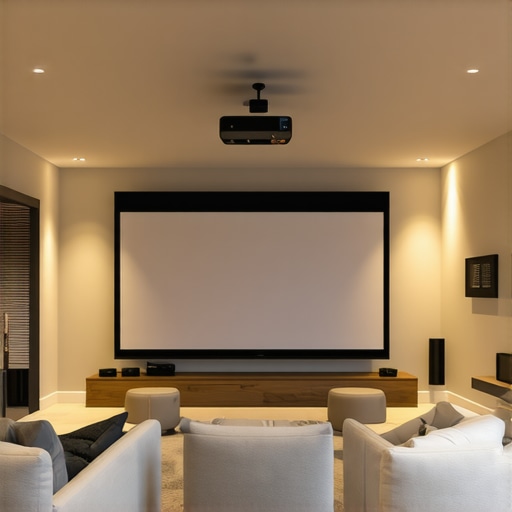
My Journey into the World of Home Theaters: The Dilemma of Projectors vs TVs
As someone who’s always been passionate about creating the perfect home theater experience, I remember the first time I faced the classic debate: Should I go with a projector or a big-screen TV? That decision felt overwhelming because I wanted the best quality, size, and value without breaking the bank. After countless hours researching and testing different setups, I’m here to share my personal insights and tips for 2024, especially regarding screen size and cost considerations.
Why I Chose a Projector for My Living Room: The Magic of a Big Screen
Initially, I was captivated by the allure of a projector. The idea of projecting a massive 100-inch or more image onto my wall sounded like a dream come true. I found that projectors, especially with recent advancements, offer incredible size options and a cinematic feel. Thanks to [this detailed guide](https://projectors.ultimatehomedisplays.com/ultimate-guide-to-home-theater-display-options-projector-or-tv), I learned that projectors can deliver excellent resolution and immersive experiences, especially when paired with a suitable ambient light setup.
Can a TV Keep Up? The Benefits of Modern Big-Screen TVs
But then I also considered the convenience of a large TV. Modern 4K and even 8K models provide stunning clarity and vibrant colors. Plus, with smart features and no need for dark rooms, they’re super practical for everyday use. My experience with OLED TVs showed me how they excel in contrast and color accuracy, making them a worthy choice when space or budget limits the projector size. If you’re curious about how these options compare in terms of ambient light performance, check out this article on [ambient light suitability](https://projectors.ultimatehomedisplays.com/best-home-theater-displays-projectors-vs-tvs-their-ambient-light-suitability).
What About Cost? Is Bigger Always Better for Your Budget?
Cost was a significant factor in my decision-making. I discovered that projectors, especially entry-level models, can be very affordable, but high-end ones with 4K resolution and motorized lenses can get pricey. Conversely, large TVs tend to have a higher initial cost, but they don’t require the extra investment in screens or mounts. For a detailed cost comparison, I recommend reviewing [this cost analysis](https://projectors.ultimatehomedisplays.com/cost-comparison-of-projector-and-tv-find-your-best-budget-option). It helped me understand that your budget and room conditions should guide your choice.
How Do I Decide the Perfect Screen Size for My Space?
Choosing the right size isn’t just about the largest possible screen. I learned that room size, viewing distance, and lighting conditions play crucial roles. I personally found that a screen size around 100-120 inches suited my living room well, but for smaller spaces, a 65-75 inch TV might be more comfortable. For a step-by-step guide, visit [this article on screen size tips](https://projectors.ultimatehomedisplays.com/choosing-the-right-screen-size-for-your-home-theater-setup). It helped me balance size with comfort and picture quality.
Should I Wait for 2025? Is the Technology Evolving Too Fast?
Honestly, I wondered the same thing. The technology in projectors and TVs keeps advancing rapidly. According to a recent comparison I read on [2025 projections](https://projectors.ultimatehomedisplays.com/projector-vs-tv-which-displays-offer-the-best-screen-size-cost-efficiency), upcoming models will likely bring even better resolution, brightness, and affordability. But I believe that 2024 already offers excellent options, and waiting might delay your enjoyment of a fantastic home theater experience.
Ultimately, whether you choose a projector or a TV, the goal is to enjoy your movies and games in the best way possible. I encourage you to weigh your room conditions, budget, and personal preferences. Feel free to share your own experiences or ask questions in the comments. Creating the perfect home theater is a journey worth sharing!
Understanding the Impact of Room Lighting on Projector and TV Performance
One of the most overlooked factors when choosing between a projector and a TV is the ambient lighting in your space. While projectors are often associated with dark rooms, recent advancements have improved their performance in brighter environments. Conversely, modern TVs, especially OLED models, excel in well-lit rooms, offering vibrant images without the need for controlled lighting conditions.
To optimize your viewing experience, consider the lighting dynamics of your space. For instance, if your living room gets a lot of sunlight during the day, a high-brightness TV might be more suitable. However, if you can control the light environment or prefer a dedicated dark room, a projector with an ambient light-rejecting screen can deliver cinematic quality even in less-than-ideal lighting. For more insights on managing ambient light for perfect viewing, visit this comprehensive guide.
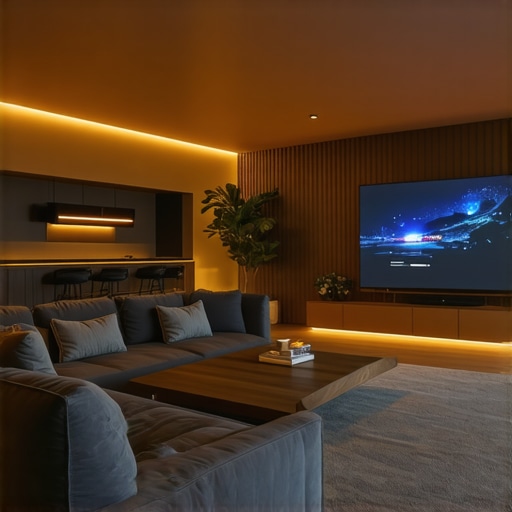
How Do Screen Size and Resolution Influence Your Viewing Satisfaction?
Choosing the right screen size goes beyond just measuring your wall or available space. It involves understanding how resolution and viewing distance impact image clarity and immersion. Experts recommend maintaining a viewing distance that is approximately 1.5 to 2.5 times the diagonal size of your screen. For example, a 100-inch screen is best viewed from about 12 to 20 feet away to enjoy full HD or 4K clarity without noticing pixelation or blurriness.
Resolution plays a crucial role in larger screens. While 4K has become the standard, 8K is emerging, promising even sharper images. However, the benefits of higher resolution are most noticeable on larger screens and when sitting closer. If your room size limits how big your screen can be, a high-quality 4K TV might deliver the best balance between size and clarity. To help you decide, check out this detailed comparison of display options.
Is Future-Proofing Your Home Theater a Wise Investment?
With technology evolving rapidly, it’s natural to wonder whether waiting for newer models in 2025 makes sense. Experts suggest that current high-end projectors and TVs already offer excellent performance, and incremental improvements may not justify delaying your upgrade. However, if you’re interested in the latest features, such as improved HDR, better contrast ratios, or enhanced smart capabilities, investing in the now might be more satisfying.
Furthermore, consider the longevity of your investment. A well-chosen projector or TV can serve you well for years, especially when paired with adaptable accessories like adjustable mounts or smart home integration. For a detailed analysis of upcoming technological trends, explore this expert forecast for 2025.
What’s Your Next Step in Creating the Ultimate Home Theater?
Deciding between a projector and a TV is just the beginning. Think about your room layout, budget, and viewing habits. Are you looking for a cinematic experience or a versatile everyday entertainment system? Sharing your plans and questions can help you find tailored solutions. Don’t forget to browse our comprehensive guides on screen size selection and display options to make an informed decision. Your ideal home theater setup is within reach—start planning today!
Balancing Tech Advancements with Personal Preferences: The Hidden Nuances
One of the most intriguing aspects of curating a home theater in 2024 is the delicate dance between cutting-edge technology and personal viewing habits. I’ve learned that while newer models boast impressive specs—like higher dynamic range or smarter integration—they can sometimes feel overwhelming or less intuitive if they don’t align with how I prefer to watch. For instance, I experimented with a 2024 8K projector, which offered astonishing detail, but I found that the increased resolution was almost imperceptible on a screen smaller than 150 inches unless I sat extremely close, which compromised comfort. This experience made me realize that the *best* choice hinges on balancing technical capabilities with genuine usability, emphasizing that more pixels or features aren’t always better—context matters.
How Ambient Light and Room Architecture Shape Your Experience
Reflecting on my own setup, I’ve come to appreciate how room architecture and lighting influence the effectiveness of projectors versus TVs. A cozy, windowless basement can turn a projector into a cinematic paradise, while a sunlit living room demands a high-brightness TV with excellent anti-reflective coatings. I once tried to set up a projector in a room with large east-facing windows, which initially seemed promising—until the morning sunlight washed out the image. That’s when I discovered the value of ambient light-rejecting screens, which significantly improved image quality even in less-than-ideal lighting conditions. For those pondering their room’s potential, I recommend exploring the [best home theater displays for ambient light](https://projectors.ultimatehomedisplays.com/best-home-theater-displays-projectors-vs-tvs-their-ambient-light-suitability), a resource that helped me optimize my environment.
What Do I Wish I Knew Before Diving Into 2024’s Tech?
If I could go back to my first research phase, I’d tell myself to pay closer attention to the longevity and upgrade path of the equipment. With rapid advancements, it’s tempting to chase the latest models, but I’ve found that investing in proven, adaptable tech often yields better long-term satisfaction. For example, I opted for a high-quality OLED TV with HDMI 2.1 support, ensuring compatibility with future gaming consoles and streaming devices. Similarly, I learned from authoritative sources like [this detailed forecast for 2025](https://projectors.ultimatehomedisplays.com/projector-vs-tv-which-displays-offer-the-best-screen-size-cost-efficiency) that while upcoming models will include exciting features, current high-end options are already quite capable. Recognizing this has helped me avoid buyer’s remorse and focus on creating a flexible, future-proof setup.
How Can I Personalize My Home Theater to Reflect My Unique Style?
Beyond specs and technical features, I believe that the heart of a home theater lies in its ability to mirror individual tastes and lifestyles. I’ve personalized my space with subtle lighting controls, acoustic treatments, and even decor that complements my favorite movies and genres. It’s not just about the biggest screen or the latest tech but crafting an environment that feels inviting and inspiring. If you’re contemplating your own setup, consider how you want to use your space—whether for family movie nights, gaming marathons, or immersive streaming sessions—and let that guide your design choices. Sharing your vision in the comments or with fellow enthusiasts can spark ideas and help refine your plan.
To explore more about creating a seamless integration of tech and style, visit our contact page for personalized advice and insights. Remember, the journey to the perfect home theater is deeply personal and ever-evolving—embrace that process, and enjoy every step of the way.
Integrating High Dynamic Range (HDR) for Unmatched Visual Depth
One of the most transformative advancements I’ve integrated into my home theater was the adoption of high dynamic range (HDR) technology. HDR enhances contrast and color accuracy, delivering visuals that are closer to what the human eye perceives in real life. I found that choosing a display — whether a projector with HDR support or a high-end OLED TV — significantly elevates the viewing experience, especially for cinematic content and gaming. According to HDR Standard Organization, HDR compatibility is a crucial factor when evaluating new displays, ensuring future-proofing and exceptional picture quality. For those serious about immersive visuals, I recommend investing in equipment that fully supports HDR formats like Dolby Vision and HDR10+ to unlock the full spectrum of color and contrast nuances.
Optimizing Acoustic Treatments for a True Cinematic Soundscape
While visuals are paramount, sound quality often makes or breaks the home theater experience. I learned this firsthand when I upgraded my room’s acoustics with tailored treatments—diffusers, bass traps, and sound-absorbing panels—that dramatically improved clarity and depth. Achieving balanced sound requires understanding room acoustics; I utilized software like Room EQ Wizard to analyze frequency responses and tailor my acoustic treatments accordingly. This meticulous approach transformed my space into a true cinematic environment, rivaling commercial theaters. For more advanced insights, I recommend reading this comprehensive guide on acoustic optimization. Remember, integrating high-quality speakers, positioning them correctly, and managing reflections are key to immersive sound.
How Do I Future-Proof My Home Theater Amid Rapid Tech Evolution?
Future-proofing is a challenge I grappled with extensively. I prioritized equipment with versatile connectivity options like HDMI 2.1 and support for emerging standards such as AV1 and HDMI 2.2. Additionally, I chose hardware with upgrade pathways—modular components or firmware support—that allow for software enhancements without replacing entire systems. According to industry forecasts, upcoming models will emphasize AI integration for adaptive calibration, enhanced smart home compatibility, and higher resolutions. While waiting for the latest releases can be tempting, I found that current high-end models already offer a solid foundation, especially when combined with future-ready accessories like external streaming devices and adaptable mounts. This layered approach ensures longevity and adaptability, preventing obsolescence and maximizing your investment.
What Are the Hidden Nuances of Room Architecture That Influence Tech Choices?
Room architecture profoundly impacts the efficacy of your visual and audio setup. I discovered that ceiling height, wall materials, and window placement can either amplify or diminish your equipment’s performance. For example, high ceilings can cause sound reflections, necessitating additional acoustic treatment or speaker placement adjustments. Similarly, thick curtains or window tints help control ambient light in rooms with large windows, optimizing image clarity. I experimented with different wall colors and surface textures to reduce glare and improve contrast, especially when using projectors. For tailored advice, I recommend consulting this resource on ambient light and room design. Thoughtful room architecture elevates your setup from a simple entertainment space to a true cinematic sanctuary.
How Can I Personalize My Space Without Compromising Technical Excellence?
Personalization is the secret sauce in my home theater journey. I integrated subtle lighting controls, such as dimmable LED strips, to create mood lighting that complements different viewing scenarios. I also curated decor elements—artwork, themed accessories—that reflect my entertainment preferences while maintaining a sleek, clutter-free environment. Balancing aesthetics with high-tech functionality involves choosing equipment that seamlessly blends into the design. For instance, hidden wiring and minimalist mounts keep the focus on the screen and soundscape. If you’re interested in elevating your own space, I suggest exploring personalized consultation options. Remember, a home theater should be a reflection of your personality, where technology enhances rather than dominates your environment. Dive deeper into design tips and tech integration strategies to craft a space that’s uniquely yours, combining sophistication, comfort, and state-of-the-art performance.
Things I Wish I Knew Earlier
Size Isn’t Everything
Initially, I believed bigger was always better, but I learned that room size and viewing distance are crucial. A massive screen in a small room can be overwhelming and uncomfortable, so understanding your space makes all the difference.
Ambient Light Matters More Than You Might Think
While I used to think that a bright room would ruin the experience, I found that with proper ambient light management and technology like ambient light-rejecting screens, you can enjoy quality visuals even in well-lit spaces. Don’t underestimate the power of room lighting.
Resolution Is Not the Whole Story
Investing in 8K sounds tempting, but I realized that for most home setups, 4K is more than enough. Higher resolution benefits are subtle unless you sit very close, which can be uncomfortable. Balance your resolution choice with your room and seating arrangement.
Sound Quality Is Just as Important as Picture
Great visuals can be spoiled by poor audio. I overlooked this at first, but acoustic treatments and quality speakers transformed my experience, making movies more immersive and enjoyable.
Future Tech Is Exciting but Not Necessary Right Now
Waiting for the latest features in 2025 is tempting, but I found that current high-end models already offer excellent performance. Investing now allows you to enjoy your setup sooner, and upgrades can come later.
Room Architecture Can Make or Break Your Setup
Ceiling height, wall materials, and window placement influence how your projector or TV performs. Small adjustments, like adding curtains or acoustic panels, significantly improve image and sound quality, making your space more cinematic.
Resources I’ve Come to Trust Over Time
- HDR Standard Organization: They provide authoritative info on HDR formats and compatibility, helping me choose displays that truly enhance picture quality.
- Room EQ Wizard: A fantastic tool for analyzing room acoustics, which helped me optimize my sound setup.
- Ultimate Home Displays Guides: Their comprehensive articles on screen size, ambient light, and display comparisons are my go-to for making informed decisions.
- Industry Forecasts for 2025: These reports give insights into upcoming tech trends, ensuring I invest in future-proof gear.
Parting Thoughts from My Perspective
Building a home theater in 2024 is a rewarding journey that balances technology with personal comfort. I’ve learned that understanding your space, managing lighting, and prioritizing sound quality can elevate your experience beyond just having the latest gadgets. My advice? Start with what suits your room and budget, then refine over time. The perfect setup isn’t about having the most expensive equipment but creating an environment where you love to watch and listen. If this resonated with you, I’d love to hear your thoughts. Share your experiences or ask questions—let’s make this a collaborative journey toward the ultimate home theater!
Reading through this post, I realize how much thought needs to go into balancing technology and room environment. I recently upgraded to a 4K OLED TV, primarily because I wanted vibrant colors and robust smart features. What struck me was how crucial room lighting and layout are, especially when considering a larger screen size. I live in a sunny area, and I found that investing in high-quality anti-reflective coatings made a significant difference. Also, I’ve noticed that while 8K technologies are exciting, for most room sizes, 4K provides excellent clarity without breaking the bank.
Has anyone here had experience with ambient light-rejecting screens for projectors in bright rooms? I’ve been curious about whether they genuinely make a cinematic difference or if they’re more of a luxury. It’s such an interesting blend of tech and environment, and I’d love to hear more personal insights!
This post really resonated with me as I recently faced the same dilemma for my living room. I went with a high-quality 4K OLED TV mainly because of the convenience and excellent picture quality in well-lit spaces, which is crucial for my window-heavy room. However, I’m still intrigued by projectors, especially after reading about ambient light-rejecting screens. From what I understand, they do make a significant difference in bright environments, almost mimicking a theatrical experience. Has anyone here found that they truly elevate the viewing experience enough to justify the investment? I’ve heard that good quality screens can be a game changer for avoiding washed-out images during daytime. It’s fascinating how the right technology can adapt to room conditions, and I’d love to hear about real-world experiences or tips from fellow enthusiasts. Building the perfect home theater seems so personal and tailored, and I enjoy hearing different perspectives.
I really enjoyed reading about the different factors that go into choosing between a projector and a TV. One thing I’ve noticed from my own experience is that ambient light management plays a huge role in how satisfying your setup feels. I’ve experimented with ambient light-rejecting screens for my projector in a room that gets a good amount of sunlight, and the difference is remarkable. It almost feels like a theater experience, even during the daytime. From what I’ve seen, these screens are worth considering if your room isn’t completely controllable in terms of lighting. However, I wonder about the long-term durability and whether they truly make a difference in less-than-ideal lighting conditions? Has anyone here noticed a significant difference in visual quality in real-world use? Would love to hear some firsthand insights on this — it seems like technology has really advanced in this area.