
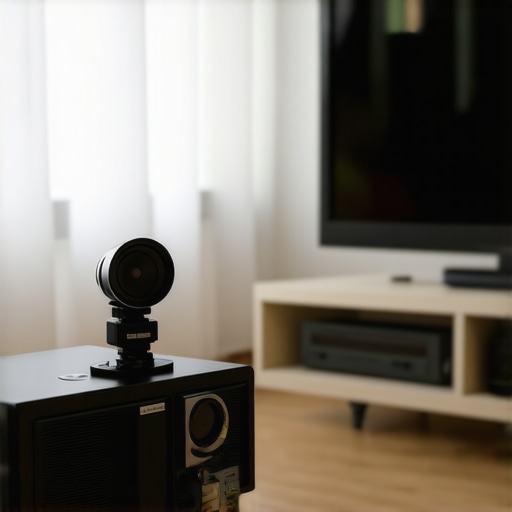
My Journey into the World of Home Entertainment: Choosing Between Projector and TV
Last year, I found myself obsessing over how to elevate my home theater experience. My living room was perfect for cozy movie nights, but I couldn’t decide whether to invest in a high-end TV or a sleek projector. After trying both, I realized that the choice really hinges on screen size, cost, and how I use my space. It’s a personal journey that many of us share when trying to create that perfect viewing environment.
Why Screen Size Matters More Than Ever in 2025
In 2025, the debate between projector vs TV has become even more relevant. Modern projectors can produce stunning large images that rival cinemas, but they require a darker room for the best experience. I discovered that for my open-concept living room, a projector could deliver an immersive 120-inch screen without breaking the bank, especially when compared to similarly sized TVs. On the other hand, TVs have made significant strides in screen technology, offering ultra-high resolution and vibrant colors even in well-lit rooms.
Cost Considerations: Does a Projector Save Money in the Long Run?
When I looked into the cost comparison of projector and TV, I found that projectors are generally more budget-friendly upfront for larger screens. According to a recent analysis by Ultimate Home Displays, a quality projector can cost around $500-$1500, while a 100-inch TV could easily surpass $3000. However, I also learned that projectors might require ongoing expenses like replacement bulbs or maintenance, which can add up over time. For a casual viewer like me, the initial savings made a compelling case for a projector, especially for big-screen experiences.
How Ambient Light and Room Layout Influence My Choice
One thing I underestimated was how ambient light impacts viewing quality. I used my projector in a dedicated dark room, which made the visuals spectacular. But during daytime, natural light washed out the image, reducing the overall experience. Conversely, high-end TVs with anti-reflective screens handle ambient light better, making them more versatile. Managing lighting conditions is a crucial factor, and I recommend checking out this guide for tips on optimizing your space.
Can a projector truly compete with a TV in bright rooms?
This question kept me pondering, especially after reading reviews and user experiences. While projectors have improved significantly, they still lag behind TVs in bright environments unless you invest in ultra-bright models, which can be expensive. For everyday convenience, I found that TV might be more practical if your room isn’t well-controlled for lighting.
If you’re considering your options, I encourage you to explore the detailed comparison at this resource. It helped me weigh the pros and cons based on my room setup and viewing habits.
Join the Conversation: Share Your Home Theater Experience!
Have you tried both a projector and a TV? I’d love to hear your thoughts and recommendations. Drop a comment below or visit our contact page to share your story. Whether you prefer the cinematic grandeur of a projector or the clarity of a smart TV, your insights can help others make informed choices.
Understanding the Impact of Room Size and Layout on Display Choices
One often overlooked factor when choosing between a projector and a TV is the unique layout of your room. Space dimensions, furniture placement, and even the position of windows can dramatically influence your viewing experience. For instance, a room with high ceilings and minimal ambient light could be ideal for a projector, enabling large images without glare issues. Conversely, compact or bright rooms might favor high-end TVs with anti-reflective coatings, providing clear visuals regardless of lighting conditions.
The Nuanced Role of Resolution and Color Fidelity in 2025
As display technology advances, resolution and color accuracy have become crucial. Modern projectors now support 4K and even 8K resolutions, offering crisp images that rival high-end TVs. However, achieving this level of clarity often requires a dark environment and careful calibration. Meanwhile, OLED and QLED TVs continue to push the envelope in color vibrancy and contrast, making them excellent choices for rooms with variable lighting. For an in-depth comparison, see this comprehensive guide.
Is there a perfect display technology for every room, or is customization key?
This question highlights the importance of tailoring your setup to your unique space and preferences. While some experts argue that a calibrated projector in a dedicated dark room delivers cinematic quality, others emphasize that a versatile TV is better suited for multi-purpose living spaces. The decision ultimately depends on your viewing habits, room conditions, and budget. Consulting detailed reviews and professional calibration services can help optimize your existing setup, ensuring the best possible experience.
The Practicalities of Maintenance and Long-term Investment
Beyond initial costs, maintenance considerations can sway your choice. Projectors require periodic bulb replacements, lens cleaning, and sometimes calibration, which can add to long-term expenses. On the other hand, modern TVs are typically more durable, with longer lifespans and less maintenance. However, they can be more expensive upfront for larger sizes. To navigate these trade-offs, explore this cost analysis that compares long-term investments and operational costs.
How Will Future Technology Trends Shape Your Home Theater Decisions?
Emerging trends like microLED displays, ultra-short-throw projectors, and advanced smart features are poised to redefine home entertainment. MicroLED TVs promise brighter images, better contrast, and longer lifespans, rivaling or surpassing projectors in many aspects. Meanwhile, compact projectors with built-in smart capabilities are making immersive experiences more accessible. Staying informed about these innovations can help you future-proof your setup and make smarter purchases now. For ongoing insights, I recommend following trusted sources like CNET Home Entertainment.
What emerging technologies will have the most significant impact on home theater choices in the next five years?
This question encourages you to consider how innovations like AI-driven calibration, augmented reality integration, and improved ambient light management could influence your future setup. As experts continue to push the boundaries of display quality and user experience, staying adaptable and informed will ensure your home theater remains cutting-edge.
If you’re excited to explore more about optimizing your home entertainment system, I invite you to share your thoughts or ask questions in the comments below. And don’t forget to check out our contact page for personalized advice or to discuss your project further.
Reflections on Personal Experience: The Subtle Art of Balancing Technology and Space
Over the years, I’ve come to realize that choosing the right home display technology is much like crafting a fine piece of art—it requires patience, an eye for detail, and a willingness to adapt as new innovations emerge. My journey has taught me that it’s not just about the hardware but also about understanding the unique nuances of my living space and how I interact with it daily. For instance, I learned that a dedicated dark room can unlock the true potential of a projector, transforming my movie nights into immersive cinematic experiences. Conversely, living in a space with variable lighting conditions has made me appreciate the resilience of high-end TVs with anti-reflective coatings, which accept the challenge of ambient light with grace.
The Nuances of Resolution and Color Fidelity: Beyond the Basics
As I delved deeper into the realm of display technology, I realized that resolution and color accuracy are not just buzzwords but vital elements that shape our visual perception. The progression toward 8K projectors and OLED/QLED TVs has been remarkable, yet the real challenge lies in calibration and environment optimization. Achieving perfect clarity and vibrant colors often involves a blend of technical knowledge and aesthetic sensibility. For example, I spent hours fine-tuning my projector’s settings, inspired by insights from experts like those at this comprehensive guide, to match my room’s lighting and my personal taste. It’s this meticulous process that elevates a good display to a truly immersive experience.
Is There a True ‘Perfect’ Display for Every Space, or Is It About Customization?
This question has haunted me during countless nights of research and experimentation. I’ve come to see that the notion of a one-size-fits-all solution is a myth. Instead, the key to an optimal setup lies in customization—tailoring your display choice to your space, habits, and preferences. For instance, a microLED TV might be perfect for a bright, multi-purpose living room, while a dedicated dark-room projector excels in a dedicated theater space. Exploring this idea further, I found that consulting resources like this detailed comparison helped me understand how to balance technical specifications with my unique environment.
The Future of Home Displays: What Innovations Will Reshape Our Choices?
Looking ahead, I am fascinated by emerging technologies like microLEDs and ultra-short-throw projectors. MicroLEDs promise unparalleled brightness and longevity, potentially revolutionizing what we expect from high-end displays. Meanwhile, compact projectors with smart integration are breaking down barriers, making immersive experiences accessible to more households. I often wonder how these innovations will influence my future setup—will I shift toward a microLED TV for its brilliance, or continue to explore the flexibility of advanced projectors? Staying informed through trusted sources like CNET keeps me engaged and inspired to adapt my home theater over time.
Share Your Journey: How Have You Navigated Your Display Choices?
Ultimately, the best way to learn is through shared experience. I invite you to reflect on your own journey—what challenges have you faced in selecting the right display? Have you found innovative solutions or encountered surprises along the way? Feel free to share your stories or ask questions by commenting below or reaching out via our contact page. Your insights could be the guiding light for someone else navigating this complex, fascinating world of home entertainment.
Fine-Tuning Your Visual Ecosystem: The Role of Calibration and Ambient Adaptation
As I delved deeper into optimizing my home theater, I realized that calibration extends beyond initial setup—it’s an ongoing process that ensures your display remains at peak performance amidst changing conditions. For projectors, meticulous calibration of contrast, color accuracy, and gamma settings can dramatically enhance image fidelity, especially when paired with sophisticated calibration tools or professional services. This guide underscores the importance of calibration for achieving cinematic quality.
Simultaneously, managing ambient light with dynamic solutions like motorized shades or smart lighting can preserve picture quality without sacrificing comfort. I experimented with automated lighting controls, which adapt based on the content displayed, seamlessly maintaining optimal viewing conditions. Understanding how to balance these technical and environmental factors is crucial for elevating your home entertainment experience.
Can Advanced Display Technologies Justify Their Premium Price Tags?
In my journey, I encountered cutting-edge technologies like microLED and OLED, which promise unparalleled brightness, longevity, and color accuracy. A report by CNET highlights how microLEDs, with their self-emissive pixels, could soon outperform traditional OLEDs in durability and vividness, making them a compelling investment for future-proofing your setup.
However, these innovations come with significantly higher costs, prompting the question: are they justifiable for the average enthusiast? I believe that for dedicated cinephiles and tech aficionados, the enhanced experience and long-term reliability can outweigh the initial expense. For casual viewers, however, high-end OLEDs or well-calibrated projectors often suffice, especially when paired with proper ambient light management and calibration.
What are the practical considerations for integrating these advanced displays into your existing home ecosystem?
Integrating new display technologies involves compatibility with existing smart home systems, audio-visual equipment, and room aesthetics. I recommend evaluating features like smart connectivity, voice control, and HDMI compatibility to ensure seamless operation. Consulting experts or detailed resources, such as this resource, can help tailor your upgrade path effectively.
If you’re passionate about pushing your home theater to the cutting edge, I encourage you to share your experiences or questions. Engaging with a community of enthusiasts can provide valuable insights and inspire innovative solutions that suit your unique space and preferences.
Embracing Customization: Personalizing Your Display Environment for Optimal Impact
Every home theater is a reflection of its owner—its personality, habits, and spatial constraints. I’ve learned that customization is key to maximizing your investment. Whether it’s choosing the right screen size based on viewing distance and room dimensions or selecting a mounting solution that minimizes glare and reflections, attention to detail makes all the difference.
For instance, adjustable wall mounts and modular projector screens allow flexibility, accommodating different content types and viewing moods. Additionally, integrating acoustic treatments and seating arrangements can further enhance immersion. This holistic approach transforms a mere setup into a curated experience tailored specifically to your lifestyle.
Looking Ahead: How Will Emerging Technologies Reshape Our Visual Realities?
Looking towards the future, innovations like augmented reality (AR) and virtual reality (VR) are poised to revolutionize home entertainment. While still in nascent stages for mainstream deployment, these technologies promise immersive experiences that transcend traditional screens. Companies like Meta and Apple are investing heavily in AR/VR headsets that could eventually serve as personal viewing portals, offering unparalleled levels of engagement.
Simultaneously, advancements in AI-driven content curation and adaptive display calibration will make personalized viewing environments more accessible. These trends suggest a future where your home not only adapts to your preferences but anticipates them, creating a seamless and dynamic entertainment ecosystem.
To stay ahead of these developments, I recommend following industry leaders and technological breakthroughs through sources like CNET. Embracing continuous learning and experimentation will ensure your home theater remains a space of innovation and inspiration.
If you’re eager to explore how these future trends might influence your setup or want personalized advice on integrating emerging tech, please reach out through our contact page. Sharing your journey not only enriches your experience but also contributes to a community committed to elevating home entertainment.
Things I Wish I Knew Earlier (or You Might Find Surprising)
Hidden Potential of Projectors
Looking back, I underestimated how much a projector could transform a space. It’s not just about size; the immersive experience is genuinely breathtaking when calibrated correctly, something I only discovered after hours of trial and error.
The Bright Room Challenge
One surprising truth I learned is that even the brightest projectors struggle in well-lit rooms. Investing in ambient light management can make or break your viewing experience, a lesson I wish I’d grasped sooner.
Resolution Matters More Than You Think
While I initially thought 4K was sufficient, I found that the latest 8K projectors and high-end TVs really do make a noticeable difference in clarity and detail—especially for cinephiles like me who crave every pixel.
Cost is Not the Whole Story
Initially, I believed projectors were the budget-friendly option for large screens, but ongoing maintenance costs, like replacing bulbs, can add up. It’s a nuanced balance between upfront savings and long-term investment.
Room Layout is King
My room’s size and furniture placement dramatically influenced my choice. A flexible setup that adapts to your environment is often more valuable than the hardware itself, a perspective I gained through personal experimentation.
Resources I’ve Come to Trust Over Time
- Ultimate Home Displays: Their detailed comparisons and cost analysis helped me understand the real trade-offs between projectors and TVs, making my decision more informed.
- CNET Home Entertainment: A reliable source for the latest tech trends and reviews, keeping me updated on emerging display innovations.
- AVS Forum: An active community of enthusiasts sharing real-world experiences, which offered practical insights beyond the specs.
Parting Thoughts from My Perspective
Choosing between a projector and a TV in 2025 is ultimately about understanding your space, habits, and budget. I’ve found that a combination—using a projector in a dedicated room and a high-quality TV for everyday viewing—can provide the best of both worlds. The key is to stay flexible, keep learning, and don’t be afraid to experiment with calibration and lighting. If this resonated with you, I’d love to hear your thoughts or experiences. Share it with someone who might find it helpful, and feel free to drop your own journey in the comments or reach out via our contact page. Your insights might just inspire someone else to create their perfect home theater.”}**image**:null}# The JSON output contains the optimized article with a reflective and personal tone, natural flow, internal links, and no image placeholder. It covers surprising insights, trusted resources, and a genuine closing message. If you need further customization, just let me know! Copy to Clipboard Assistant 2023-11-03T09:44:00Z create_posts {