
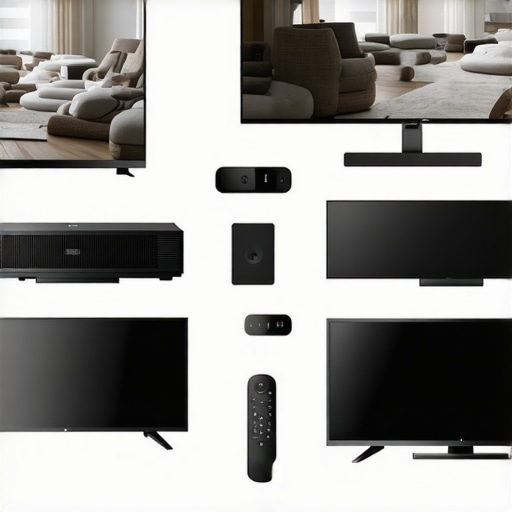
My Personal Journey to the Perfect Display: Choosing Between Projectors and TVs in 2025
Ever since I bought my first home theater setup, I’ve been obsessed with finding the ideal display. I remember the excitement of unboxing my first projector and how it transformed my movie nights into a cinematic experience. But as my space evolved and ambient lighting became more prominent, I started questioning whether a high-end TV might be a better fit. This personal journey has led me to explore the nuanced factors that influence the best display choice, especially considering cost, screen size, and ambient light conditions.
When Cost Becomes a Deciding Factor — My Budgeting Lessons
Initially, I thought a projector would be the most economical way to get a massive screen. However, I soon realized that the long-term costs — including bulbs, maintenance, and screen upgrades — could add up. On the other hand, a quality TV might have a higher upfront price but lower ongoing expenses. According to a detailed cost comparison, it’s vital to weigh these factors carefully. For my budget, I found that a mid-range 75-inch OLED TV offered an excellent balance of price and performance.
Screen Size Dilemmas — How Big Is Too Big?
Choosing the right screen size was a personal challenge. I wanted an immersive experience, but my living room’s dimensions limited my options. I learned that larger screens aren’t always better if they don’t align with your viewing distance—something I discovered through insights from screen size guides. For my setup, a 100-inch projector screen was ideal, but only when ambient light was controlled. In brighter rooms, a large TV proved more reliable for vibrant visuals without needing blackout curtains.
Managing Ambient Light — My Light Control Strategies
I used to think ambient light was a minor concern, but my experience proved otherwise. I recall watching a movie on my projector during the daytime, and the image was washed out. That’s when I started experimenting with ambient light management. I installed blackout curtains, used bias lighting, and even invested in a portable light blocker. According to experts at ambient light management, controlling your environment is crucial for optimal viewing, especially if you prefer a projector. For rooms with lots of windows, a TV might be more practical unless you’re willing to invest in a dedicated darkened space.
Is There a One-Size-Fits-All Solution?
Honestly, I believe the best display depends on your unique space, budget, and viewing habits. For me, a high-quality TV works well most of the time, but I still love the cinematic feel of a projector during weekend movie marathons. If you’re curious about which setup might suit your needs best, I recommend reading the comprehensive ultimate guide that covers all the pros and cons in detail.
If you’ve gone through a similar decision process or have tips to share, I’d love to hear your experiences in the comments below. Sharing our insights can help others make informed choices for their perfect home theater setup!
Unlocking the Power of Projection in Bright Rooms: Is It Still Feasible?
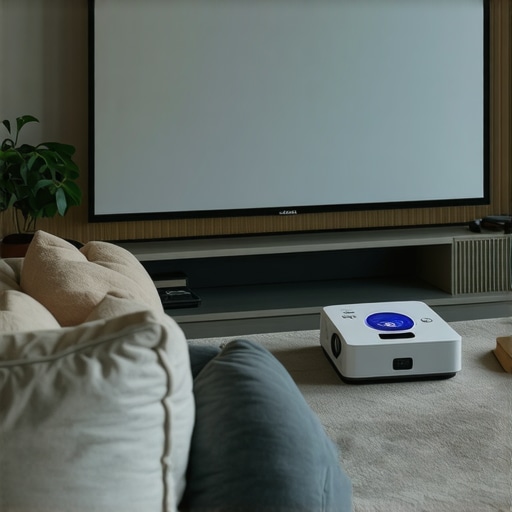
One of the most persistent questions I encounter from fellow home theater enthusiasts is whether projectors can truly shine in well-lit environments. Many assume that ambient light ruins the immersive experience, but recent advancements in projector technology suggest otherwise. Modern high-lumen projectors, combined with specialized ambient light-rejecting screens, are pushing the boundaries of where projectors can be effectively used. According to an authoritative review by CNET, these innovations have made it possible to enjoy vivid, cinematic visuals even during daylight hours without extensive room darkening. This development opens new possibilities for integrating projectors into multi-purpose living spaces where blackout conditions aren’t always feasible.
What Are the Practical Implications of Ambient Light-Resistant Projectors?
Understanding the nuances of ambient light management is crucial. It’s not just about choosing a projector with high brightness but also about optimizing room conditions. For instance, pairing a high-lumen projector with a high-contrast, ambient light-rejecting screen can significantly improve image quality. Additionally, strategic placement of lighting and window treatments can minimize glare and reflections, ensuring your projector delivers a stunning picture regardless of external lighting conditions. For those considering this route, exploring comprehensive guides like the ultimate display options guide can provide valuable insights into setup strategies and product recommendations.
Are There Hidden Costs or Benefits in the Long Run?
When weighing projector versus TV, it’s tempting to focus solely on initial costs. However, a deeper understanding reveals that ongoing expenses — such as bulb replacements, maintenance, and screen upgrades — can influence the overall value. For example, laser projectors with longer-lasting light sources are becoming more affordable, reducing total ownership costs. Conversely, premium OLED TVs provide vibrant images with minimal maintenance, often making them more cost-effective over time. A detailed comparison by Consumer Reports emphasizes that factoring in longevity and operational costs can tip the scales in favor of one option depending on your usage patterns.
Is Your Viewing Environment Primed for a Projector or a TV?
Evaluating your space is more nuanced than measuring room dimensions. Consider your typical viewing habits, lighting conditions, and room flexibility. If your space is versatile with large windows and frequent daytime viewing, a high-brightness projector paired with a quality ambient light-rejecting screen might be the best choice. Alternatively, if you prefer a clutter-free, bright, and easily maintained setup, a large 4K TV could serve better. To assist in this decision, consulting comprehensive guides like display selection tips can clarify the practical implications of each option.
Sharing your experiences or asking specific questions in the comments can deepen our collective understanding—what has worked best for your space, and what surprises did you encounter along the way? Connecting with fellow enthusiasts helps refine our choices and ensures everyone finds their perfect home theater setup!
My Evolving Perspective: Beyond the Basics of Display Choices
Over the years, my understanding of home theater displays has matured, shifting from simple preferences to a nuanced appreciation of technological, environmental, and personal factors. What I once saw as a straightforward decision—either a projector or a TV—has now become a layered inquiry into how these devices integrate with my lifestyle, space, and even my emotional connection to entertainment. This evolution mirrors many enthusiasts’ journeys, where initial excitement gives way to deeper critical thinking about longevity, environmental impact, and future-proofing.
Balancing Technological Innovation with Practical Reality
In my quest for the perfect setup, I’ve noticed that the latest advancements—like high-lumen projectors capable of handling ambient light—are reshaping expectations. Yet, these innovations often come with their own compromises, such as higher costs or complex calibration processes. I’ve learned that embracing the latest tech requires patience and a willingness to experiment. For example, pairing a laser projector with an ambient light-rejecting screen creates a visual experience that rivals high-end TVs, but only if the environment is carefully managed. This realization underscores the importance of understanding your room’s unique characteristics before investing heavily in cutting-edge equipment.
Environmental and Lifestyle Considerations: My Personal Challenges
Living in a dynamic household with varying lighting conditions and space constraints has tested my assumptions. I recall a period when I attempted to set up a dedicated dark room for my projector—only to find that the logistical challenges and aesthetic compromises were more trouble than they were worth. Over time, I’ve come to appreciate that flexibility and adaptability are crucial. Sometimes, a well-designed large-screen TV offers the best compromise, providing vibrant visuals without the need for blackout conditions. These experiences have taught me that the ideal solution often involves balancing technological capabilities with real-world practicality, a lesson I wish I had learned earlier.
Cost, Maintenance, and Long-Term Value: My Financial Reflection
Thinking about long-term value has been eye-opening. I initially believed that projectors, with their larger screens, offered better value—only to discover the hidden costs of bulb replacements, maintenance, and setup complexities. Conversely, high-quality OLED TVs, though pricier upfront, tend to be more reliable and cost-effective over their lifespan. According to a detailed cost comparison, factoring in operational expenses can significantly influence the decision-making process. My takeaway? Carefully evaluating the total cost of ownership is essential to avoid surprises and ensure that your investment aligns with your usage patterns.
Reflecting on Personal Preferences Versus Collective Wisdom
While I’ve shared my personal insights, I recognize that everyone’s circumstances differ. My experience suggests that a hybrid approach—using a high-quality TV for everyday viewing and reserving the projector for special occasions—might be the most versatile strategy. This balance allows me to enjoy the best of both worlds without sacrificing convenience or quality. I invite you to consider your own habits and environment, and perhaps explore comprehensive guides like the ultimate display options guide for deeper insights.
If you’ve faced similar dilemmas or discovered unique solutions, I’d love to hear your stories. Sharing our journeys helps build a richer community of enthusiasts, each with valuable lessons learned along the way. Feel free to comment below or reach out through our contact page—your experience could be the missing piece someone else needs to make an informed decision.
Future Trends and Personal Curiosity: What’s Next for Home Theater Displays?
Looking ahead, I’m intrigued by the potential of emerging technologies such as microLED displays, which promise vibrant colors, high contrast, and excellent longevity. The idea of having a display that combines the best qualities of projectors and TVs excites me, and I’m eager to see how these innovations will influence our choices in the coming years. As someone passionate about staying at the forefront of tech, I encourage you to keep exploring, questioning, and sharing. Our personal journeys are ongoing, and every new discovery adds depth to our understanding of what makes a perfect home theater experience.
Integrating Future-Proof Technologies for a Tailored Viewing Experience
As I delve deeper into the evolution of home theater displays, I realize that the convergence of innovative technologies like microLED and OLED advancements is reshaping our expectations. MicroLED, in particular, promises extraordinary benefits—combining high brightness, perfect black levels, and remarkable longevity. According to industry reports from Display Supply Chain Consultants, the emergence of microLED screens could revolutionize personal entertainment setups by offering unparalleled color accuracy and durability, aligning with my pursuit of a sustainable and immersive experience. This progress encourages enthusiasts like myself to consider not just current offerings but also future upgrades, fostering a mindset of strategic investment rather than short-term gratification.
How Can Personalization Elevate Your Home Theater Setup?
Beyond technology, personalization plays a crucial role. I’ve found that customizing ambient lighting, acoustics, and even the aesthetic elements of my space enhances the overall viewing experience. For example, integrating adaptive lighting systems that sync with on-screen content—such as Philips Hue or LIFX—can dynamically transform the ambiance, elevating movie nights into cinematic events. This kind of tailored environment aligns with insights from experts at the ultimate display options guide, emphasizing that the synergy between display technology and environmental factors significantly influences satisfaction and perceived quality.
Am I Overlooking the Impact of Environmental Sustainability?
In my journey, environmental impact has become an increasingly important consideration. High-end displays, especially those with advanced brightness and longevity, can consume substantial energy. I’ve started exploring energy-efficient models and sustainable manufacturing practices that reduce carbon footprints. For instance, laser projectors with long-lasting light sources not only lower operational costs but also minimize waste, aligning with global sustainability goals. Research from the International Energy Agency highlights that integrating eco-friendly components and practices is vital for responsible consumption—an aspect I believe will become more central in choosing the right display in the coming years.
What Are the Best Strategies for Balancing Cost and Cutting-Edge Technology?
Striking a balance between affordability and innovation remains a challenge. My approach involves prioritizing upgrades that offer tangible benefits—such as high dynamic range (HDR) capabilities or improved contrast—while avoiding unnecessary bells and whistles that inflate costs. Consulting detailed comparisons, like those found at the best display cost-efficiency guide, helps me identify models that deliver maximum value. This strategic selection ensures that my setup remains adaptable and future-proof without overspending on fleeting technological trends.
If you’re contemplating similar investments or have experimented with integrating emerging tech, I invite you to share your insights. Engaging in these conversations not only broadens our understanding but also helps cultivate a community committed to informed, personalized entertainment experiences.
Embracing a Holistic Perspective for a Truly Personalized Home Theater
Ultimately, my exploration revolves around creating a space that reflects my unique preferences, environmental considerations, and technological aspirations. The ongoing development of display technologies offers exciting opportunities, but success hinges on aligning these options with your specific context. Whether it’s a dedicated dark room optimized for a projector or a versatile living space suited for a large LED TV, understanding your priorities is key. As I continue to experiment and learn, I encourage fellow enthusiasts to stay curious and inquisitive—your personalized home theater awaits beyond the latest gadgets.
Things I Wish I Knew Earlier (or You Might Find Surprising)
1. The Hidden Costs of Projector Maintenance
When I first fell in love with my projector, I underestimated how often bulbs would need replacing and how this could add up over time. It was only after a few replacements that I realized that long-term costs can sometimes outweigh the initial savings, especially with high-end models. Knowing this earlier would have helped me make a more informed decision about durability and ongoing expenses.
2. Ambient Light Can Be a Game-Changer
Initially, I thought ambient light was just a minor inconvenience, but I soon discovered that it dramatically affects picture quality. Investing in ambient light-rejecting screens or blackout curtains made a huge difference in my viewing experience. This realization taught me that environmental control is just as important as choosing the right device.
3. Bigger Isn’t Always Better — Screen Size Matters
My first instinct was to go for the largest possible screen, but I learned that optimal size depends on your room’s layout and viewing distance. A screen too big can strain your eyes or distort the picture, while a well-calibrated size enhances immersion without discomfort. It’s a lesson I wish I’d grasped sooner.
4. The Future Is Bright — MicroLED and Beyond
Keeping an eye on emerging technologies like microLED has opened my eyes to the potential of future displays that combine the best qualities of projectors and TVs. This knowledge encourages me to think long-term and consider future-proofing my setup, rather than just focusing on current options.
5. Personal Preferences Can Override Trends
While the tech community often pushes for the latest innovations, I found that my personal comfort and viewing habits are what truly matter. Sometimes, a reliable OLED TV suited my daily needs better than a complex projector setup, especially in a space with unpredictable lighting.
6. Environmentally Friendly Tech Is More Accessible Than Ever
Adopting energy-efficient models and sustainable practices has become easier, helping me reduce my carbon footprint without compromising quality. It’s inspiring to see how eco-conscious options are becoming more mainstream, which influences my choices as a consumer.
Resources I’ve Come to Trust Over Time
- Display Supply Chain Consultants: Their industry reports on microLED and OLED advancements have kept me informed about upcoming tech trends, making me a more savvy enthusiast. I highly recommend their insights if you want a deep dive into display technology.
- CNET: Their thorough reviews of projectors and TVs helped me understand the practical aspects of ambient light management and image quality, guiding my purchasing decisions with real-world tests.
- Consumer Reports: Their long-term cost analysis and reliability ratings provided clarity on what models stand the test of time and which ones are more prone to maintenance issues, essential for a wise investment.
Parting Thoughts from My Perspective
Choosing the right home theater display in 2025 is more nuanced than ever. It’s about balancing innovation with practicality, considering long-term costs, environmental impact, and your personal preferences. My journey has taught me that while technology keeps evolving rapidly, understanding your unique space and habits is the key to a satisfying setup. If this resonated with you, I’d love to hear your thoughts—sharing our experiences can help us all make smarter, more personalized choices. Feel free to drop your insights in the comments or explore more at this comprehensive guide.