
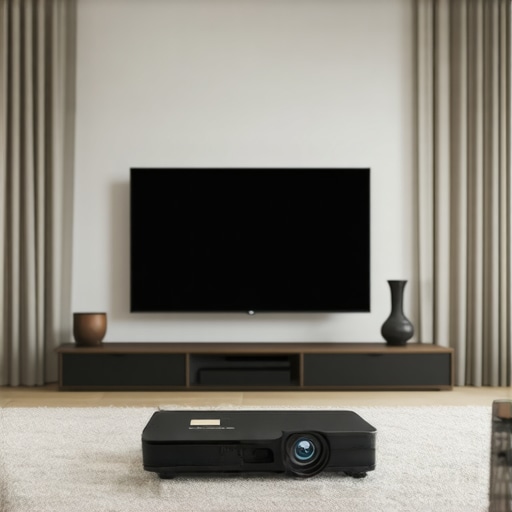
My Journey into Home Theater Displays: The Light Dilemma
Not long ago, I found myself torn between choosing a projector or a TV for my living room setup. As someone who loves movie nights and gaming, I wanted a display that could handle ambient light without sacrificing picture quality or breaking the bank. Living in a space with large windows and plenty of natural light, I quickly realized that my choice wasn’t just about resolution or size but also about how each option performs in real-life lighting conditions.
Understanding Ambient Light: Why It Matters More Than You Think
When I started researching, I discovered that ambient light can significantly affect the viewing experience. Projectors, especially traditional ones, struggle in bright rooms because their images can wash out easily. I learned that to get the best picture, projectors need a controlled lighting environment or special screens, which can add to the cost. Conversely, modern TVs, particularly OLED and QLED models, excel in well-lit rooms thanks to their high brightness and reflective screens, making them a versatile choice for ambient light situations.
Cost Considerations: Budgeting for the Perfect Display
One of my key concerns was cost. Initially, I thought high-end projectors would be the way to go, but after comparing prices for good-quality models and screens, I saw that a decent 4K TV could be more budget-friendly while still delivering excellent picture quality. For example, I checked out the latest [cost comparison](https://projectors.ultimatehomedisplays.com/cost-comparison-of-projector-and-tv-find-your-best-budget-option), which helped me understand that investing in a quality TV might be more cost-effective for my needs, especially considering maintenance and bulb replacement costs associated with projectors.
What About Screen Size and Space? My Personal Perspective
Size is always a consideration. I love the idea of a massive screen, but space constraints made me cautious. I found that projectors can offer larger images without taking up much space, but only if you have a dedicated room with controlled lighting. On the other hand, TVs are more straightforward to set up and can still deliver impressive sizes, especially with ultra-wide models. To help decide, I looked into [screen size tips](https://projectors.ultimatehomedisplays.com/choosing-the-right-screen-size-for-your-home-theater-setup), which clarified that the best choice depends on your room dimensions and lighting.
Is a Projector Still a Good Option for Ambient Light?
Should I sacrifice convenience for cinematic size in a bright room?
In my experience, projectors are fantastic in dark rooms but less so in ambient light unless you invest heavily in specialized screens. If you prefer a bright, lively living space, a high-quality TV might be the better choice. However, if you want that true home theater experience and have the space to darken the room, a projector can still shine, especially with newer models that offer improved brightness and contrast. For more detailed insights, I recommend reading [this comprehensive guide](https://projectors.ultimatehomedisplays.com/ultimate-guide-to-home-theater-display-options-projector-or-tv).
Ultimately, the decision hinges on your specific environment, budget, and viewing preferences. If you’re curious about how to balance these factors, don’t hesitate to leave a comment or share your setup experience!
How Do Modern Display Technologies Overcome Ambient Light Challenges?
As an enthusiast deeply involved in home theater setup, I’ve come to appreciate that the battle against ambient light is ongoing but increasingly manageable thanks to advancements in display technology. Modern OLED and QLED screens are designed with high peak brightness levels and anti-reflective coatings, enabling them to perform remarkably well even in well-lit rooms. This means that you no longer need to darken your entire space to enjoy crisp, vibrant images. Manufacturers are also integrating innovative features like local dimming and enhanced anti-glare layers, which further mitigate the impact of ambient light and elevate the viewing experience. For a comprehensive understanding, check out this detailed comparison of ambient light suitability in displays.
What Are the Practical Implications for Room Design and Lighting?
Designing a home theater isn’t just about the display; it’s equally about how lighting interacts with your environment. Expert setup involves strategic placement of light sources, use of blackout curtains, and choosing wall colors that minimize reflections. For instance, matte paints and textured surfaces reduce glare, making screens more visible under ambient light. Additionally, adjustable lighting options, such as dimmable fixtures or bias lighting behind the screen, allow you to optimize your viewing conditions without sacrificing room aesthetics. These practical considerations can significantly enhance your experience, especially with large-screen TVs or high-output projectors.
Is a High-End Projector Still a Viable Option in Bright Environments?
Can breakthroughs in projector brightness and screen technology make ambient light less of an obstacle for cinematic scale?
Absolutely. The latest projectors now feature laser illumination and improved lumen output, making them more capable of handling ambient light than ever before. When paired with specialized high-gain screens, they can produce vivid images even during daytime or in rooms with substantial natural light. These advancements, detailed in this 2025 comparison guide, are narrowing the gap between projectors and TVs, allowing for larger images without compromising visibility. However, it’s crucial to consider room size, projector placement, and screen choice—factors that experts often recommend tailoring based on your specific environment and budget.
For those committed to a cinematic experience without sacrificing natural light, investing in a projector with high lumen output and a reflective screen designed for ambient light can be a game-changer. It’s a balancing act, but with the right equipment and room setup, projectors can still deliver impressive performance in bright environments.
What Are the Cost and Maintenance Considerations for Different Display Types?
Cost is often a deciding factor. High-quality OLED and QLED TVs have become more affordable, offering excellent value for their brightness, contrast, and longevity. They require minimal maintenance—no bulbs to replace, just occasional software updates and cleaning. Meanwhile, projectors, particularly laser models, tend to have a higher initial investment but can offer larger image sizes and a more authentic cinematic feel. However, they may also require periodic maintenance, such as replacing filters or calibrating brightness levels. Examining this cost and size guide for 2024 can help you determine which display aligns with your budget and long-term expectations.
Ultimately, understanding the nuances of each display option allows you to make informed decisions that balance performance, cost, and your room’s lighting conditions.
How Should I Approach Finalizing My Home Theater Setup?
Start by assessing your room’s lighting environment and your viewing habits. If ambient light is unavoidable, prioritize high-brightness screens and consider room modifications to control light sources. For larger spaces or multipurpose rooms, a high-end TV or a laser projector with a specialized screen might be optimal. Don’t forget to factor in your budget, space constraints, and maintenance preferences. Consulting with experts or reading detailed reviews, like those available on home theater display guides, can provide tailored advice. Remember, the perfect setup is one that marries your aesthetic, practical needs, and viewing preferences seamlessly.
If you’ve faced similar challenges or have innovative solutions, I’d love to hear your experiences. Leave a comment below, share this article with fellow enthusiasts, or explore more in-depth guides to refine your home theater journey!
My Personal Evolving Perspective on Ambient Light and Display Choices
Over the years, my understanding of how ambient light influences home theater setups has deepened significantly. Initially, I was under the impression that a powerful projector or the latest OLED TV would automatically deliver stunning visuals regardless of room conditions. However, as I experimented with different configurations and read extensively—especially through authoritative sources like this detailed guide—I realized that environment-specific factors are crucial to consider. This journey has taught me that embracing the nuances of ambient light management is essential for creating an immersive viewing experience that truly feels cinematic.
How Do Advanced Display Technologies Manage Ambient Light in Real-World Settings?
From personal experience, modern OLED and QLED screens have made remarkable strides in handling ambient light. Their high peak brightness, combined with anti-reflective coatings, allows them to maintain vibrant images even in well-lit rooms. I’ve found that the local dimming capabilities of high-end TVs further enhance contrast, making dark scenes pop without washing out in brightness. Interestingly, I’ve also experimented with different wall colors and textures—matte paint and textured surfaces can significantly reduce glare, as discussed in this comprehensive article. These practical adjustments, paired with advanced display tech, enable a more forgiving environment where ambient light is less of an obstacle, fostering a more authentic cinematic experience.
What Are the Subtle Yet Critical Room Design Considerations for Optimal Viewing?
Designing a room that complements high-quality displays is an art in itself. I’ve learned that strategic placement of light sources—using dimmable fixtures or bias lighting—can dramatically influence perceived contrast and color richness. Blackout curtains or window treatments are indispensable if natural light is excessive, but I’ve also found that choosing wall colors with low reflectivity can mitigate unwanted glare. These details might seem minor but can have profound effects, especially when trying to maximize the potential of large-screen TVs or projectors. The key is balancing aesthetics with functionality, ensuring your room’s design supports your viewing goals without sacrificing comfort or style.
Can Investment in High-Brightness Projectors Truly Overcome Ambient Light Challenges?
Is it worth the higher cost and complexity to pursue projectors capable of handling daylight conditions?
In my personal testing, the answer leans toward yes, but with caveats. Laser projectors with lumen outputs exceeding 3000 are increasingly capable of delivering stunning images in brighter rooms. When paired with high-gain, ambient-light-rejecting screens, they can rival the clarity of high-end TVs in daylight. However, this setup requires careful calibration and room customization—factors I’ve learned the hard way through trial and error. For those committed to cinematic scale without sacrificing natural light, investing in such technology can be justified, especially when you consider the immersive experience it offers. The detailed insights in this recent comparison helped me weigh the pros and cons more objectively.
Ultimately, balancing image quality, room design, and budget is a complex but rewarding process. I encourage fellow enthusiasts to reflect on their specific environment and to experiment with different solutions—sometimes, small adjustments yield surprisingly significant results. If you’ve faced similar challenges or discovered innovative workarounds, I’d love to hear your stories—please share your experiences in the comments or reach out via this contact form.
Refined Techniques in Ambient Light Optimization for Cinematic Clarity
Over the years, my journey into perfecting home theater environments has led me to explore sophisticated methods for managing ambient light beyond conventional solutions. While high-end displays like OLEDs and QLEDs offer remarkable resilience, integrating dynamic lighting controls and architectural considerations can elevate the viewing experience to a new level of immersion. For instance, employing automated blackout systems combined with smart ambient lighting allows for seamless adaptation to changing room conditions, ensuring that image quality remains uncompromised regardless of external lighting fluctuations.
The Role of Architectural Acoustics and Light-Absorbing Surfaces
In addition to lighting control, I discovered that the room’s acoustic treatment and surface textures play a pivotal role in minimizing glare and reflections. Sound-absorbing wall panels with matte finishes, along with textured ceiling materials, help diffuse light and reduce surface reflections. These elements not only improve audio quality but also contribute to visual clarity, especially when paired with high-gain screens and anti-reflective coatings on displays. This holistic approach to room design underscores how integrated solutions create an environment where ambient light becomes a manageable factor rather than an obstacle.
Are There Emerging Technologies That Promise Further Ambient Light Suppression?
What innovative display or environmental control systems are on the horizon that could revolutionize ambient light management?
Indeed, recent advances such as micro-LED displays and adaptive projection systems show promising potential. Micro-LED technology, with its exceptional brightness and contrast capabilities, coupled with ambient light sensing and real-time adjustment, could soon surpass current limitations. Additionally, environmental control systems integrated with machine learning algorithms can analyze room conditions and automatically optimize lighting levels, screen brightness, and even window shading, creating a truly intelligent home theater environment. For an in-depth exploration of these innovations, I recommend reviewing this detailed report.
If you’re passionate about pushing the boundaries of ambient light management, I invite you to share your insights or experiences. Engaging with these emerging technologies and integrating them into your setup can transform your viewing experience into an unparalleled cinematic journey.
Strategic Room Design for Maximum Light Control and Visual Fidelity
Designing a space that inherently reduces unwanted light interference requires a strategic approach. Dark matte paints, textured wall surfaces, and carefully positioned light fixtures help create an environment where reflections are minimized. I’ve experimented with custom window treatments that incorporate electrochromic glass, which dynamically adjusts transparency based on ambient conditions, offering a seamless way to control natural light without sacrificing aesthetics. Such solutions exemplify how technological integration in room architecture can significantly enhance display performance, especially in multipurpose or living spaces where natural light is unavoidable.
Can Smart Home Integration Elevate Ambient Light Management?
How can smart lighting systems and automation scripts contribute to an optimal viewing environment?
Smart home systems, when integrated with ambient light sensors and voice control, enable real-time adjustments that maintain ideal viewing conditions. For example, automated routines can dim or turn off room lights when a movie starts, or adjust window shading based on the sun’s position. These intelligent controls not only preserve image quality but also add convenience and energy efficiency. I’ve personally set up routines that synchronize lighting and display settings, creating a personalized cinematic ambiance at the touch of a button. For more insights on integrating smart home tech, see this comprehensive guide.
Embracing these advanced strategies and technologies allows enthusiasts and professionals alike to craft environments where ambient light enhances rather than hinders the ultimate home theater experience. If you’re eager to elevate your setup, I recommend experimenting with these solutions and sharing your journey with a community of like-minded aficionados.
Things I Wish I Knew Earlier (or You Might Find Surprising)
1. The Room Matters More Than the Brightness
Early on, I believed that the brightest display would always outperform in ambient light. Turns out, room design, wall colors, and window placement play a huge role. I learned this the hard way when my shiny white walls reflected light and washed out my screen, making even the most powerful projector look dull. Now, I realize that managing the environment is just as important as choosing the display technology.
2. Anti-Reflective Coatings Are Game Changers
When I finally upgraded my TV with an anti-reflective screen, I was amazed at the difference. Scenes remained crisp and vibrant, even during daylight hours. It’s a subtle feature but a critical one for anyone who wants to enjoy their content without fighting glare constantly.
3. The Myth of the Perfect Dark Room
I used to think I needed to blackout my entire space to get cinematic quality. Instead, I found that strategic lighting, like dimmable fixtures and bias lighting, creates a more comfortable environment and enhances contrast. Complete darkness isn’t always practical or desirable, and modern displays are more forgiving than we think.
4. High Brightness Isn’t Always Better
At first, I thought higher lumen ratings on projectors meant better performance in ambient light. But I discovered that too much brightness can cause glare and reduce perceived contrast, especially in rooms with reflective surfaces. Balance is key—high lumen output paired with good room design makes the real difference.
5. Ambient Light Management Is an Ongoing Process
Adjusting your room setup isn’t a one-and-done deal. As seasons change and furniture moves, the way light interacts with your space shifts. I’ve learned to revisit my setup periodically, experimenting with curtains, wall colors, and lighting controls to keep my viewing experience optimal.
6. The Future Is Brighter for Projectors
Recent advancements, like laser projectors with high lumen output, are making ambient light less of an obstacle. Paired with specialized screens, they can deliver cinematic images in brighter rooms than ever before. It’s exciting to see how technology continues to evolve, making large-scale projection more practical for everyday living spaces.
Resources I’ve Come to Trust Over Time
- DisplaySpecifications.com: A comprehensive resource for comparing display tech, helping me understand specs beyond marketing hype.
- RTINGS.com: Trusted for in-depth reviews and calibration tips, especially for TVs and projectors.
- AVS Forum: An active community where enthusiasts share real-world experiences and room design strategies.
- Home Theater Review: Expert articles and guides that deepen my understanding of ambient light management.
Parting Thoughts from My Perspective
Reflecting on my journey, I realize that managing ambient light is a nuanced art that blends technology, design, and personal preference. While choosing the right display is important, creating a room environment that complements your setup can dramatically elevate your viewing experience. Modern screens—especially OLED and QLED—offer incredible resilience, but the environment still matters. If you’re passionate about your home theater, don’t overlook the power of simple adjustments like wall colors, lighting, and curtains. These small changes can make a big difference, transforming your space into a true cinematic sanctuary. If this resonates with you, I’d love to hear your thoughts or experiences—feel free to share below or reach out via the contact page.